
Nusa Penida
dive sites.
Tap a site on the map to read what people tend to see there, how the current usually feels, and who the dive suits. Deep Roots and the beach where our boat leaves are marked too.
The sites we dive
Seventeen sites around Penida, Lembongan and Ceningan.
These are the same sites as on our dive map. Your guide chooses among them on the day, looking at the sea and at everyone’s experience.
Conditions change from day to day. Your guide chooses the sites on the day, looking at the currents and at everyone’s experience — so the plan you hope for may shift, in the interest of a safe and better dive.
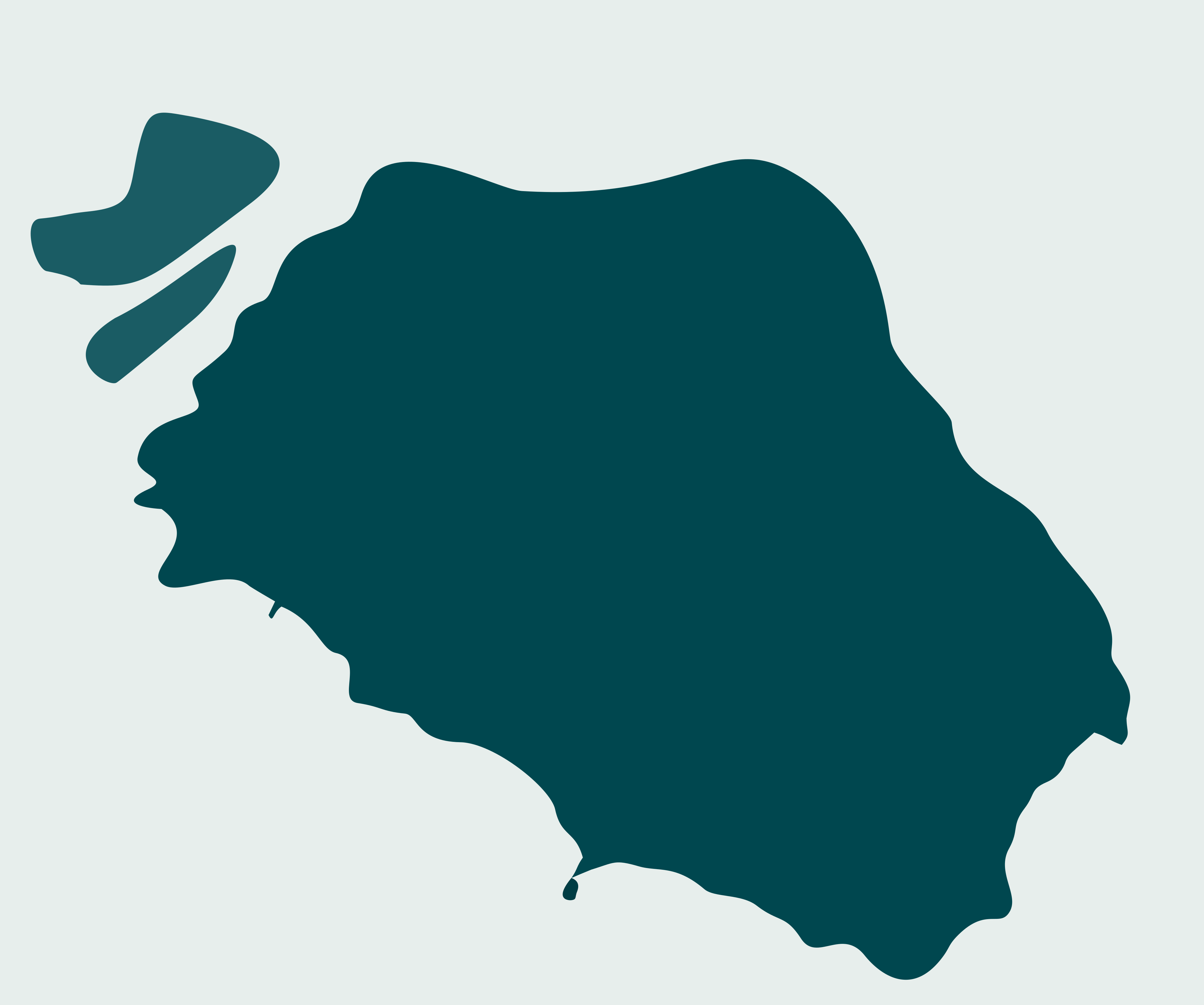
Island outlines are from our own dive map. The satellite view uses Esri imagery, with OpenStreetMap as an option. Some pin positions away from the best-known sites are approximate.
Every site, in a list
Browse the sites one by one.
If the map is awkward on your phone, this list has the same brief for each site, including the note on conditions.
North coast, close to Deep Roots
01SD (Sekolah Dasar)
- Level
- Beginner to expert
- Depth
- 40+ m
- Current
- None to a drift
- Visibility
- Typically very good, sometimes moderate
- Temperature
- 20–29°C (average about 25°C)
Depth and shape
A shallow coral plateau, often around 5–18 m, then a slope into deeper water.
What people tend to see
Turtles, schools of fusiliers and other reef fish, trevally, and sometimes sea snakes. In the cooler months, ocean sunfish (mola) are occasionally seen out in the blue, and larger fish may pass along the slope.
The reef
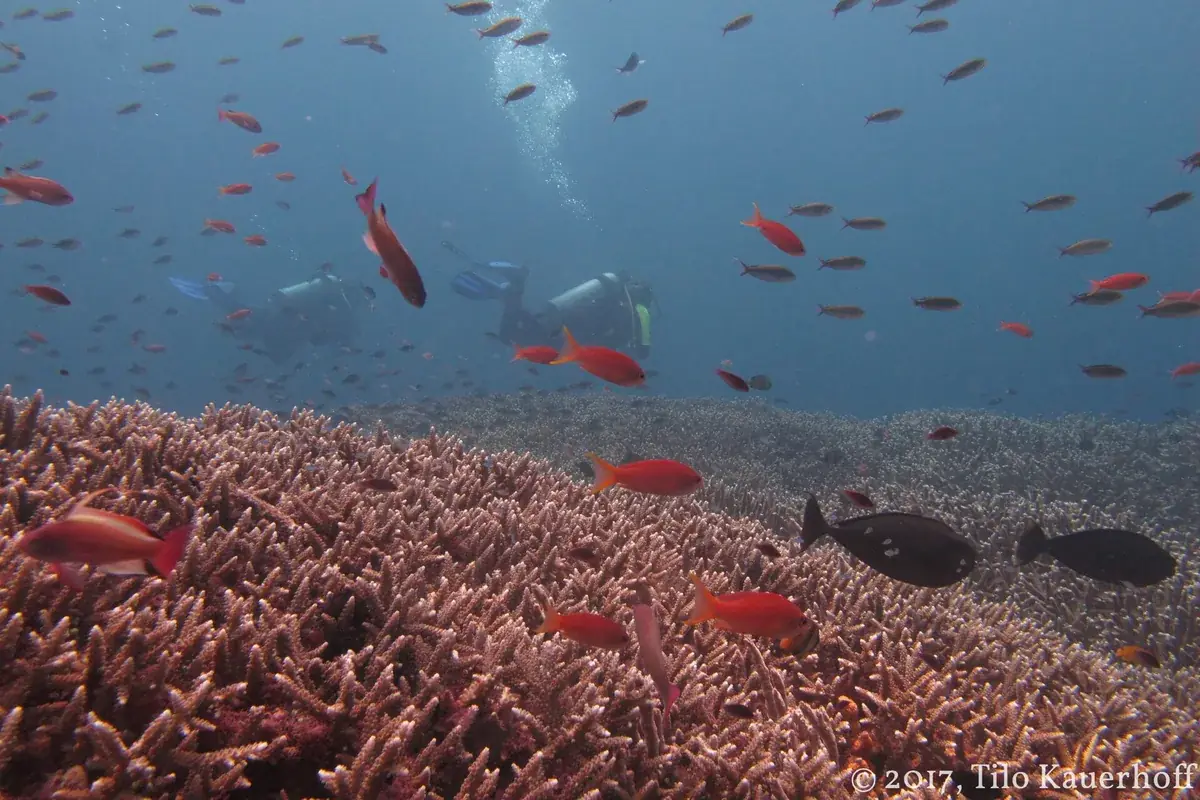
A long, healthy hard-coral garden on the plateau, with sponges and a slope that drops away fairly quickly into deeper water. A slightly barer patch to the west is sometimes used for training dives.
Current and conditions
Often a comfortable drift along the north coast. The plateau stays quite gentle; the slope can run more quickly.
Who it suits
The plateau suits newly certified divers and training. Deeper drift profiles along the slope are better for divers who are happy in a current.
Best season and notes
Year-round. The north coast is generally more sheltered from south-coast swell. Ocean sunfish are most often reported between July and October, when the water can feel cooler.
A note on conditions. Currents, visibility, temperature and surge change with the weather, the tides, the moon and the season. What’s written here is typical, not a promise — your guide chooses the sites on the day, so the dive is safe and in the best water.
02Ped
- Level
- Beginner to expert
- Depth
- 40+ m
- Current
- None to a drift
- Visibility
- Typically very good, sometimes moderate
- Temperature
- 20–28°C (average about 25°C)
Depth and shape
A fairly shallow plateau, then a steep slope or wall. Many dives spend time around 10–25 m.
What people tend to see
Turtles, barracuda, tuna and trevally are often seen along the wall. In the cooler months, ocean sunfish sometimes appear in the blue. The reef edge also holds octopus, nudibranchs and other smaller life.
The reef
A colourful plateau and a well-defined slope, with hard and soft corals and sponges along the drop-off. The edge between the shallow reef and the wall is often the busiest part of the dive.
Current and conditions
Usually a drift along the coast. The current can change during the dive, and water sometimes moves up or down the slope, so stay close to your guide.
Who it suits
Open Water divers are usually happiest on the plateau. The deeper wall is more rewarding if you are comfortable with a drift and with watching your depth.
Best season and notes
Year-round. Ped is close to Deep Roots and is often a convenient choice when the south coast is rough. Mola sightings are most often reported from July to October. This is the dive site in front of Ped village, a short way from the resort — not to be confused with the resort itself, which sits uphill.
A note on conditions. Currents, visibility, temperature and surge change with the weather, the tides, the moon and the season. What’s written here is typical, not a promise — your guide chooses the sites on the day, so the dive is safe and in the best water.
03Sental
- Level
- Beginner to expert
- Depth
- 40+ m
- Current
- None to a drift
- Visibility
- Typically very good, sometimes moderate
- Temperature
- 20–28°C (average about 25°C)
Depth and shape
A well-supplied plateau, often around 7–18 m, and a slightly steeper wall than Ped.
What people tend to see
A favourite place to watch the blue: tuna, barracuda and, from time to time, ocean sunfish, eagle rays or a shark. The plateau is good for turtles, octopus, frogfish and nudibranchs.
The reef
Large coral formations along the edge of the wall, and a healthy shallow reef that offers plenty of places to tuck in while you drift.
Current and conditions
A north-coast drift that can feel a little more lively than Ped. Entry is chosen to match the direction of the current.
Who it suits
The shallow reef suits beginners when the current is kind. Deeper profiles and stronger drifts are for divers who are happy to stay with their guide.
Best season and notes
Year-round. Larger pelagic fish are more often talked about here than on some neighbouring sites, especially in the cooler months, but they are never a promise. Some local guides mention the submarine power cables in this stretch of coast. Follow your guide’s route and surfacing plan.
A note on conditions. Currents, visibility, temperature and surge change with the weather, the tides, the moon and the season. What’s written here is typical, not a promise — your guide chooses the sites on the day, so the dive is safe and in the best water.
04Buyuk
- Level
- Beginner to expert
- Depth
- 40+ m
- Current
- None to a drift
- Visibility
- Typically very good, sometimes moderate
- Temperature
- 20–28°C (average about 25°C)
Depth and shape
A wider, gentler plateau at first, with the slope steepening below about 20 m.
What people tend to see
The sandier plateau is a treat for smaller life — nudibranchs and other macro. The deeper slope can still surprise you with turtles or larger fish, including, at times, ocean sunfish.
The reef
A broader plateau than the sites to the west, with a sandier bottom in places, then a slope in the same style as the rest of the north coast.
Current and conditions
Often used as a start or finish when the current runs between here and Sental.
Who it suits
The shallows work well for newer divers and for a quieter look at macro life. As with the neighbouring sites, the deeper slope asks a little more of you if the current picks up.
Best season and notes
Year-round. The shallows can be busier later in the day because of pontoons and surface water sports near the harbour.
A note on conditions. Currents, visibility, temperature and surge change with the weather, the tides, the moon and the season. What’s written here is typical, not a promise — your guide chooses the sites on the day, so the dive is safe and in the best water.
East coast
05Sampalan
- Level
- Beginner to expert
- Depth
- 40+ m
- Current
- None to strong
- Visibility
- Typically very good, sometimes reduced
- Temperature
- 20–29°C (average about 24°C)
Depth and shape
Coral formations and a slope off the north-east corner, with plenty to see in mid-water depths.
What people tend to see
A busy reef: plenty of fish, and large barrel sponges through much of the dive. Guides often look for frogfish and other well-camouflaged macro life.
The reef
Unusually rich hard coral and sponge cover, with one coral formation after another. The entry point is chosen on the day to show the best of the reef.
Current and conditions
Often more moderate than the outer east-coast sites, though it can still run.
Who it suits
Suitable for a wide range of divers when the current is kind. Stronger days are better for those who already have some drift experience.
Best season and notes
Year-round. The site takes its name from Sampalan harbour, just along the shore.
A note on conditions. Currents, visibility, temperature and surge change with the weather, the tides, the moon and the season. What’s written here is typical, not a promise — your guide chooses the sites on the day, so the dive is safe and in the best water.
06Batu Mulapan
- Level
- Beginner to expert
- Depth
- 40 m
- Current
- Light to very strong
- Visibility
- Typically very good, sometimes reduced
- Temperature
- 20–29°C (average about 25°C)
Depth and shape
A healthy shallow reef and a steeper slope that can be dived as a drift.
What people tend to see
The shallows are rich in reef fish. The top of the steeper slope is a place to look into the blue for larger visitors. Water here is often a little warmer than on the south coast.
The reef
Some of the healthiest hard-coral gardens on the east coast in the shallows. Parts of the steeper slope are naturally barer, where the current is too strong for coral to take hold.
Current and conditions
Often a light drift from south to north, but it can run very hard, especially on the steeper slope.
Who it suits
All levels can enjoy the shallow reef when conditions are calm. The slope and any early-morning pelagic profile are for divers who are comfortable in a current.
Best season and notes
Year-round. Some guides like this site early in the morning for a better chance of larger fish.
A note on conditions. Currents, visibility, temperature and surge change with the weather, the tides, the moon and the season. What’s written here is typical, not a promise — your guide chooses the sites on the day, so the dive is safe and in the best water.
07Karang Sari
- Level
- Beginner to expert
- Depth
- 40+ m
- Current
- None to strong
- Visibility
- Typically very good, sometimes reduced
- Temperature
- 20–29°C (average about 24°C)
Depth and shape
A wide plateau and a stepped slope, generally less steep than the north-coast walls.
What people tend to see
Soft corals, moray eels, octopus, anemones, nudibranchs and frogfish on the reef. The blue here has a name for sharks from time to time — not only the smaller white-tip reef sharks.
The reef
A broad plateau that invites a slow look at smaller life, and a stepped slope with plenty of coral formations to tuck behind.
Current and conditions
A little more sheltered than some neighbouring drift sites, though the current can still pick up.
Who it suits
The topography suits a wide range of divers. The plateau is a comfortable place for newer divers when the sea is kind.
Best season and notes
Year-round. Named after the village of Karangsari on the east coast.
A note on conditions. Currents, visibility, temperature and surge change with the weather, the tides, the moon and the season. What’s written here is typical, not a promise — your guide chooses the sites on the day, so the dive is safe and in the best water.
08Malibu
- Level
- Good to expert
- Depth
- 40 m
- Current
- None to very strong
- Visibility
- Typically very good, sometimes reduced
- Temperature
- 20–29°C (average about 24°C)
Depth and shape
A plateau of staghorn coral and a fine wall; profiles are chosen carefully on the day.
What people tend to see
A ‘wall of fish’ when the current is right, with the chance of ocean sunfish in season, schools of eagle rays, and reef sharks.
The reef
A handsome drop-off with coral along the edge of the slope, and a plateau of successive staghorn colonies.
Current and conditions
Currents can be sudden and can push you up or down the wall without much warning. This is a site for a guide who knows it well.
Who it suits
For seasoned divers who are happy in strong, changeable current. It is not a first-day or casual site.
Best season and notes
Year-round, but only when the conditions — and the group — are right.
A note on conditions. Currents, visibility, temperature and surge change with the weather, the tides, the moon and the season. What’s written here is typical, not a promise — your guide chooses the sites on the day, so the dive is safe and in the best water.
South coast
09Manta Point
- Level
- Beginner to expert
- Depth
- 40+ m
- Current
- None to moderate, with strong surge possible
- Visibility
- Typically very good, sometimes reduced
- Temperature
- 18–30°C (average about 23°C)
Depth and shape
The cleaning rocks are usually enjoyed at about 8–18 m. The site drops deeper around them; Deep Roots lists a maximum of 40+ m.
What people tend to see
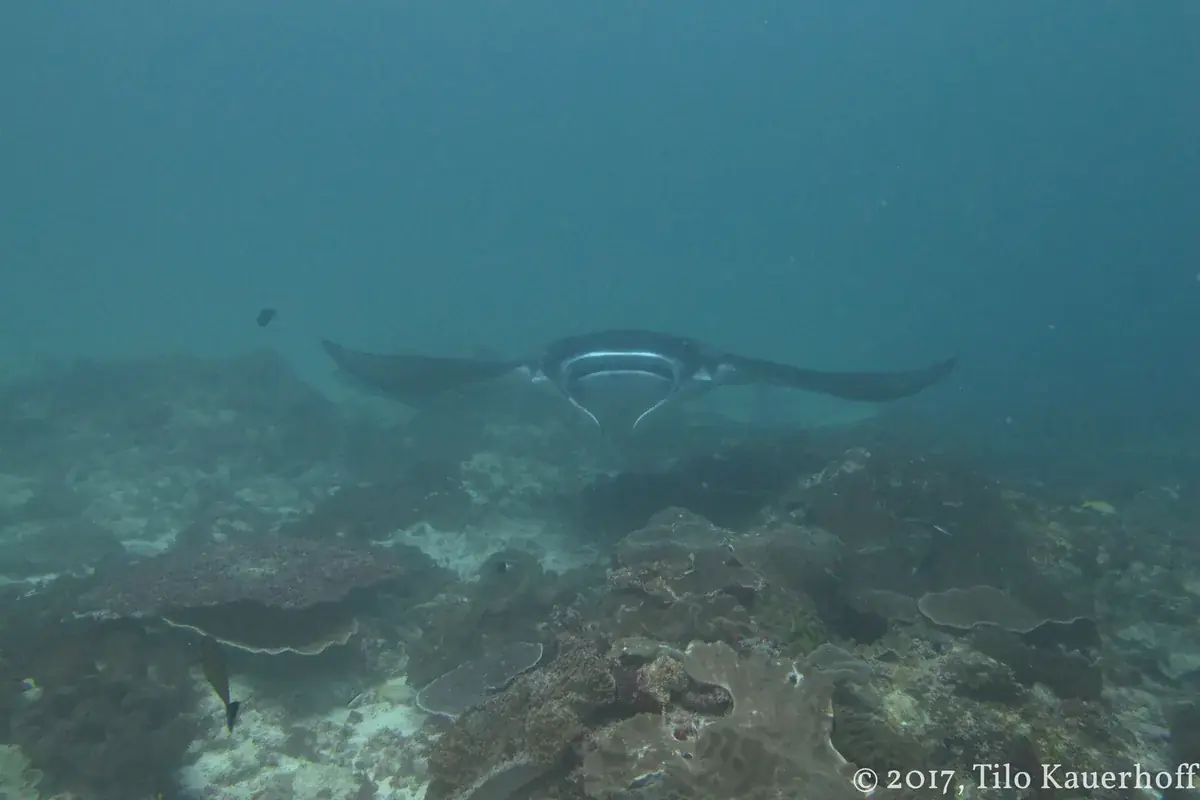
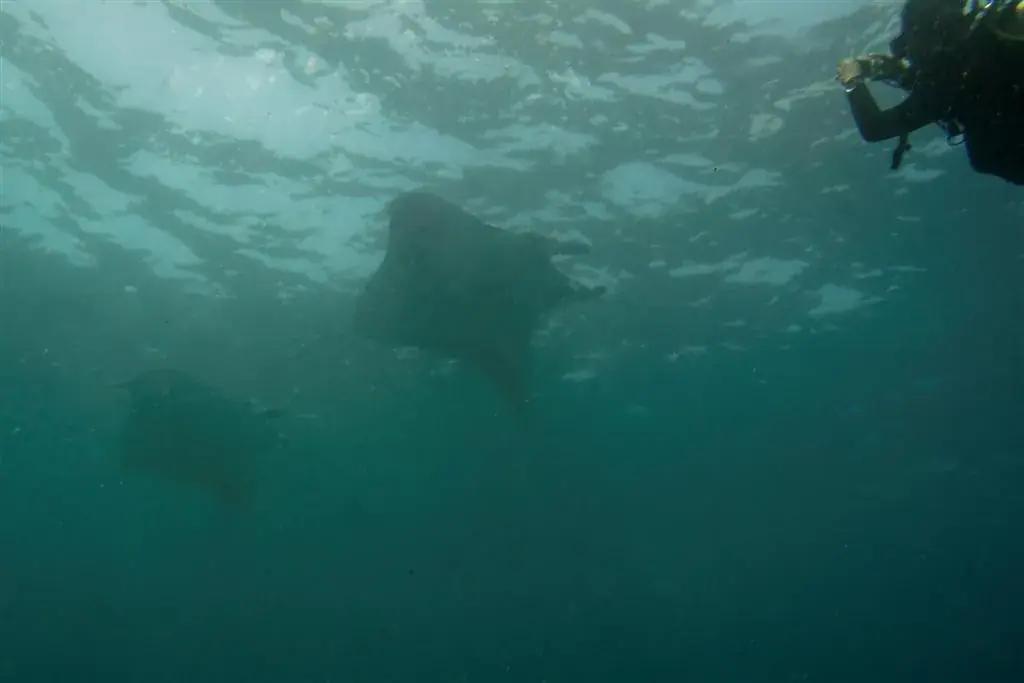
Reef manta rays come to cleaning stations here through much of the year. You may also see blue-spotted stingrays, eagle rays, bamboo sharks, turtles and, at times, ocean sunfish.
The reef
This is a more rocky, mineral site than the north-coast gardens: limestone boulders, small sandy bays and stout coral that can stand the surge. Growth is not as lush as on the sheltered reefs.
Current and conditions
Current is often manageable, but surge can be strong on this exposed south-coast site. It is only dived when the sea allows.
Who it suits
When conditions are kind, the cleaning-station dive can suit a wide range of certified divers, including newer ones, as long as they are happy in a little swell. Rough days are for more experienced groups, or for a different site.
Best season and notes
Mantas are present much of the year. A few quieter weeks are sometimes reported when they move to mate or pup. The water can feel cooler here than on the north coast. Please give the mantas room and stay off the cleaning coral — your guide will brief you on the local code of conduct.
A note on conditions. Currents, visibility, temperature and surge change with the weather, the tides, the moon and the season. What’s written here is typical, not a promise — your guide chooses the sites on the day, so the dive is safe and in the best water.
11Manta Bay
- Level
- Beginner to good
- Depth
- 25+ m
- Current
- None to low, with surge possible
- Visibility
- Typically very good, sometimes moderate
- Temperature
- 20–28°C (average about 25°C)
Depth and shape
Generally a shallower bay than Manta Point. Many dives stay in the 5–18 m range; Deep Roots lists a maximum of 25+ m.
What people tend to see
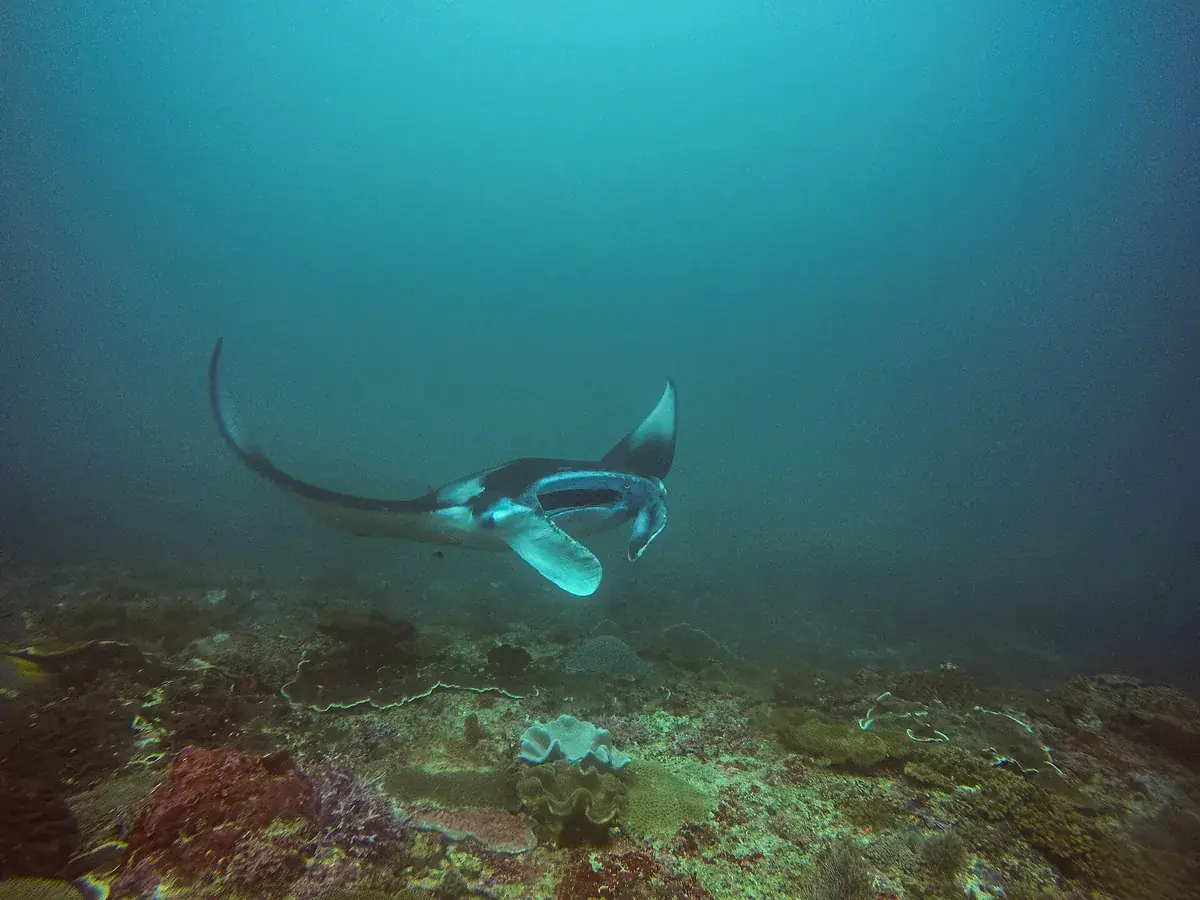
Reef manta rays sometimes feed or pass through here, and there is a cleaning area around 18 m. You may also see stingrays, turtles and everyday reef fish. Mantas are never guaranteed, and snorkel boats can make them harder to approach.
The reef
A wide rocky and coral bay, with several ways to dive it depending on whether mantas are present.
Current and conditions
Usually a calmer site than Manta Point, though surge can still roll into the bay.
Who it suits
A good choice for newer divers, or for a quieter day, when the guide is happy with the conditions. It is also a popular snorkel site.
Best season and notes
Year-round. Mantas may be here in any month, but sightings are less certain than at the main cleaning station at Manta Point.
A note on conditions. Currents, visibility, temperature and surge change with the weather, the tides, the moon and the season. What’s written here is typical, not a promise — your guide chooses the sites on the day, so the dive is safe and in the best water.
West coast and the channel
12Crystal Bay
- Level
- Beginner to expert
- Depth
- 40+ m
- Current
- None to very strong
- Visibility
- Typically very good
- Temperature
- 18–28°C (average about 23°C)
Depth and shape
A sheltered coral bay in the shallows, then a slope and drop-off towards the channel. Many reef dives stay above 25 m; deeper profiles are used when looking for sunfish.
What people tend to see
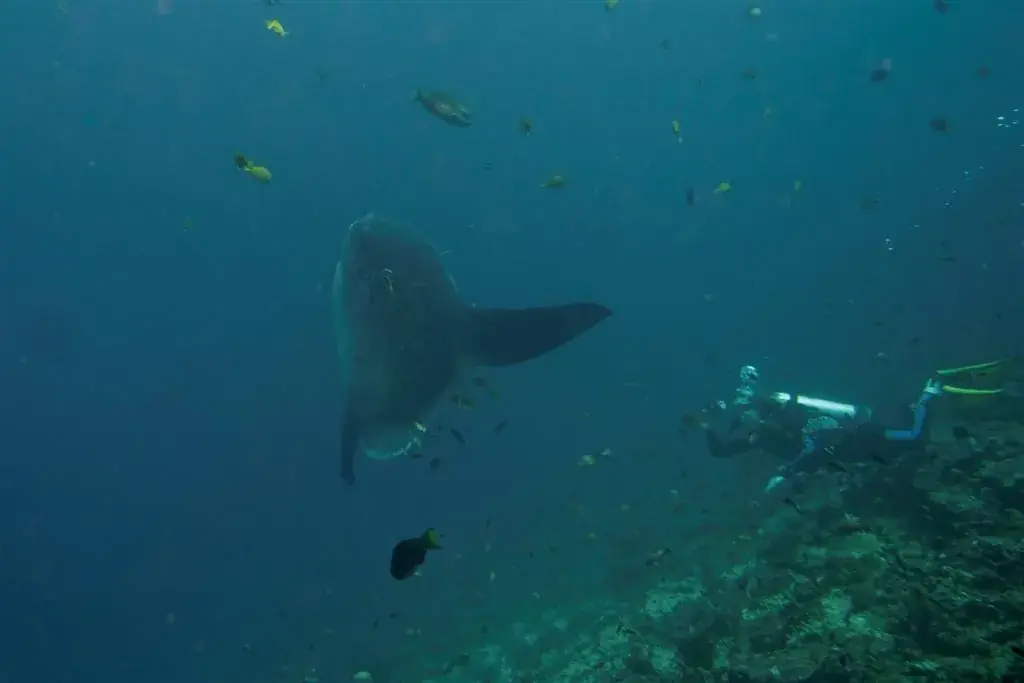
Crystal Bay is the classic Nusa Penida site for ocean sunfish (mola), which come in on cool upwellings, most often from July to October and sometimes a little later. The reef also holds turtles, Napoleon wrasse, trevally, reef sharks, and a great deal of smaller life. Manta rays are seen here from time to time.
The reef
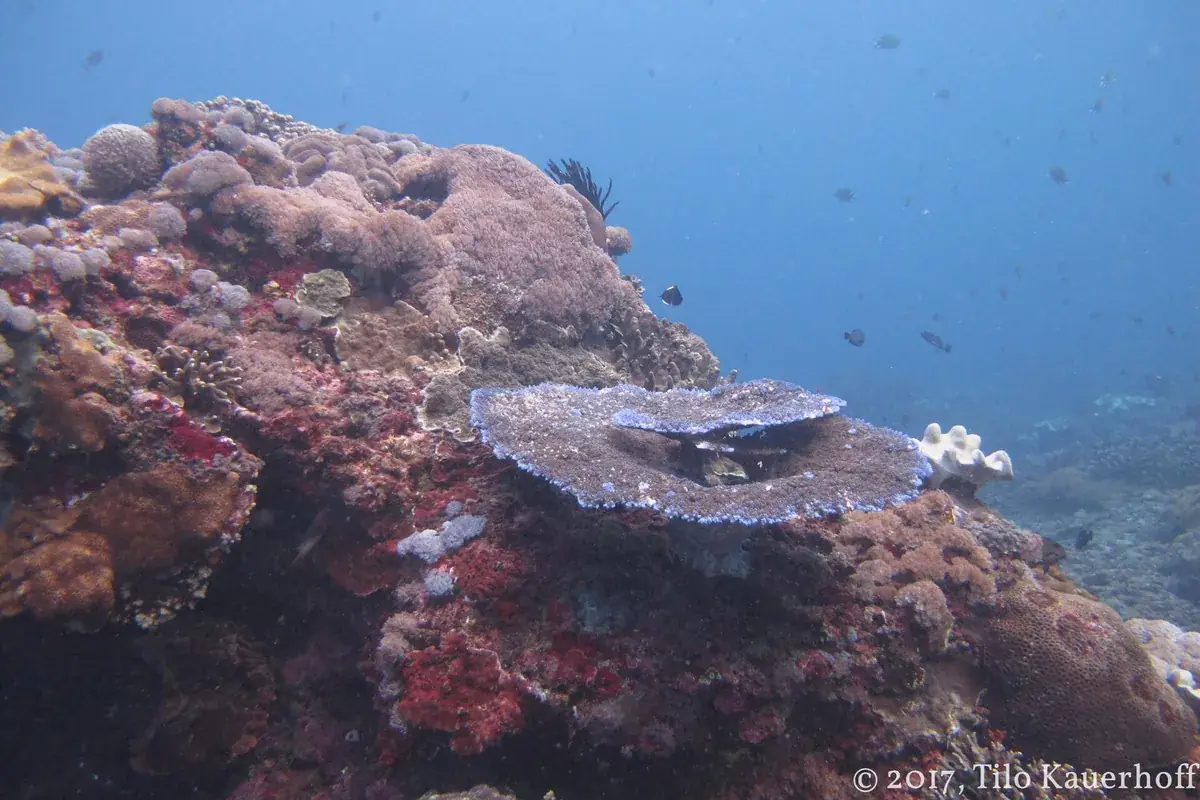
Colourful coral on the plateau and along the sides of the bay, with a sandy floor in the middle that makes a comfortable place for a safety stop. There are small canyons on one side of the bay where you can feel the surge. A bat cave is sometimes visited when conditions allow.
Current and conditions
The inside of the bay can be calm. Towards the channel, current can be strong and unpredictable, and a downcurrent is possible. Your guide chooses the route on the day.
Who it suits
The bay itself can suit newer divers and training. The corner and channel, especially on a mola dive, are for experienced divers with a guide who knows the site — and never involve chasing a sunfish into deep water.
Best season and notes
The reef is dived year-round. Ocean sunfish are most often reported from July to October, when thermoclines can drop the temperature into the high teens. Encounters are never guaranteed.
A note on conditions. Currents, visibility, temperature and surge change with the weather, the tides, the moon and the season. What’s written here is typical, not a promise — your guide chooses the sites on the day, so the dive is safe and in the best water.
13Gamat Bay
- Level
- Beginner to expert
- Depth
- 30+ m
- Current
- None to strong
- Visibility
- Typically very good, but it can fall to poor
- Temperature
- 20–29°C (average about 24°C)
Depth and shape
A coral bay and slope, with Deep Roots listing a maximum of 30+ m.
What people tend to see
A rich reef in the bay, and a worthwhile place to watch the blue — ocean sunfish are reported here in the cooler months, along with turtles and schools of reef fish.
The reef
Colourful coral formations and a handsome slope inside the bay. The site can be enjoyed as a relaxed look around, or as a more demanding drift when the channel is moving.
Current and conditions
The bay can feel sheltered, but it also faces a channel that can run very hard. It is sometimes dived as a drift, then finished in the bay.
Who it suits
When the bay is calm it can suit newer divers. Drift profiles and channel days are for those with more current experience.
Best season and notes
Year-round for the reef. Mola are more often reported from July to October.
A note on conditions. Currents, visibility, temperature and surge change with the weather, the tides, the moon and the season. What’s written here is typical, not a promise — your guide chooses the sites on the day, so the dive is safe and in the best water.
14Ceningan Wall
- Level
- Good to expert
- Depth
- 40+ m
- Current
- None to strong
- Visibility
- Typically very good, but it can fall to poor
- Temperature
- 20–29°C (average about 24°C)
Depth and shape
A near-vertical wall; working depths are often somewhere between 10 and 30 m, with deeper water below.
What people tend to see
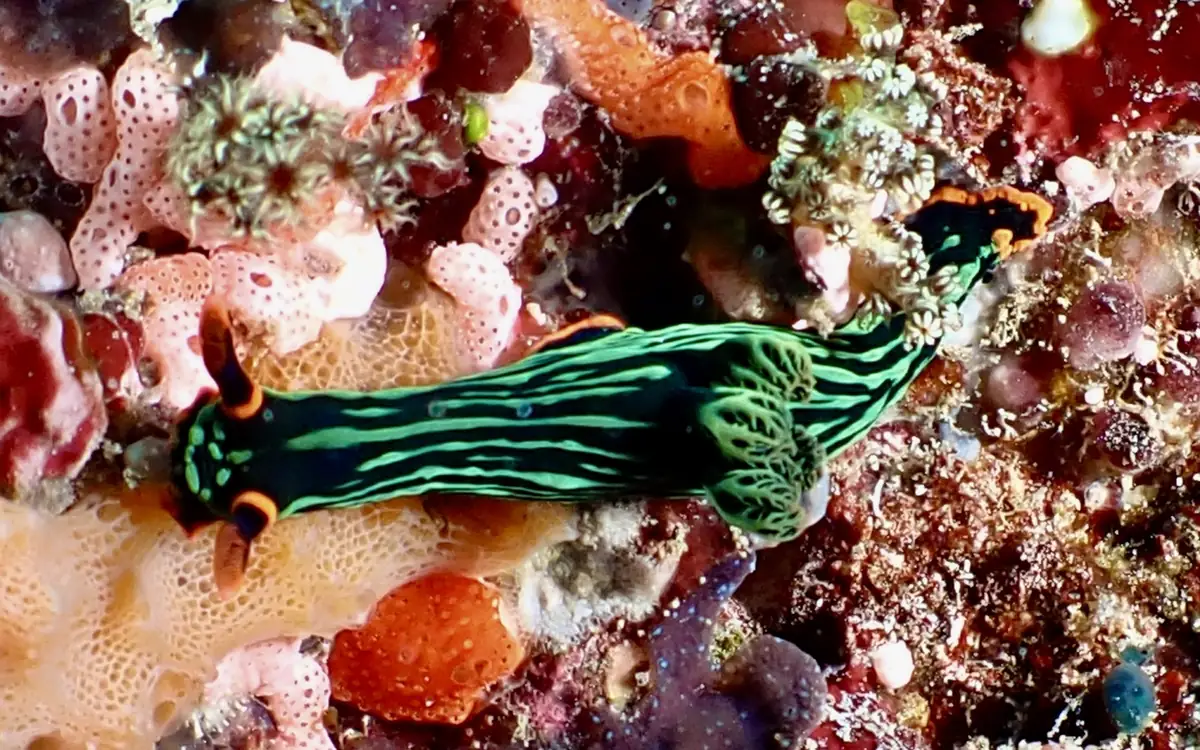
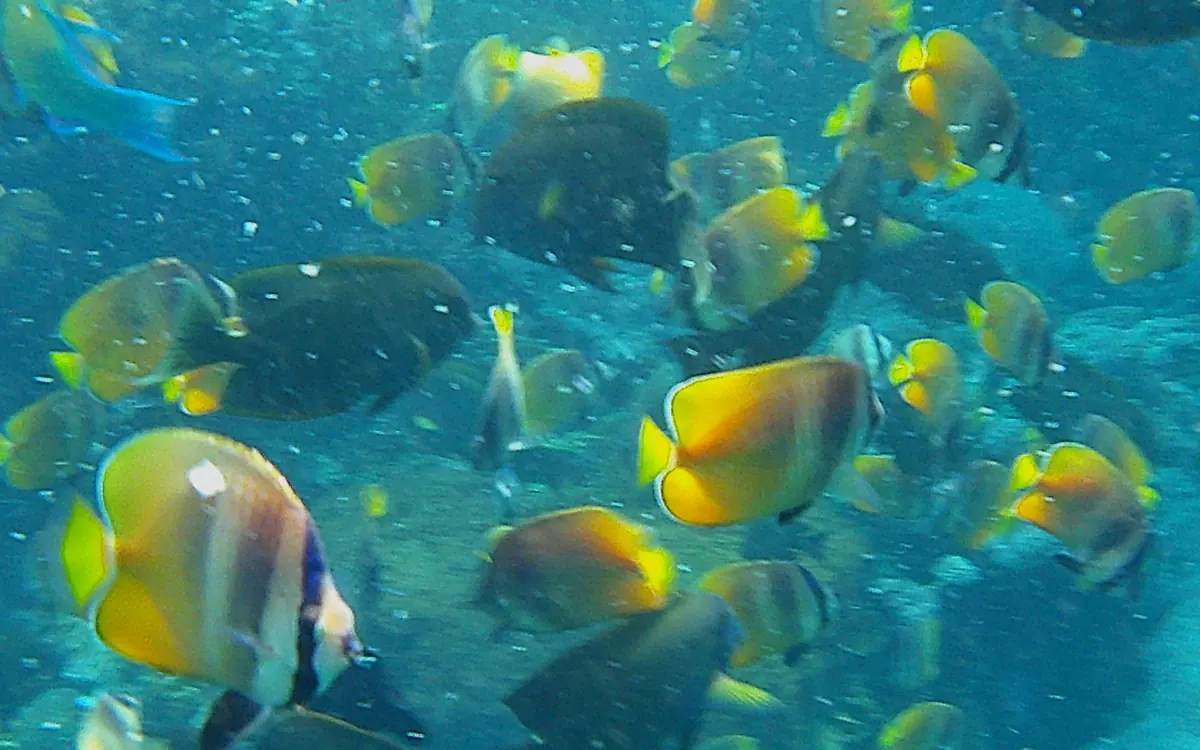
Schools of barracuda, fusiliers, red-tooth triggerfish, jacks and tuna, with rays and, in season, ocean sunfish. The wall is also good for colourful nudibranchs when you have time to look closely.
The reef
An impressive drop-off, spread with hard and soft corals, sea whips and fans.
Current and conditions
The wall sits in the channel between Nusa Ceningan and Nusa Penida, where current and surge can be strong. It is often dived when the flow is weaker, or near slack water. The safety stop can still feel lively.
Who it suits
For divers who already have solid buoyancy and some drift experience. It is not a beginner site.
Best season and notes
Whenever the current allows. Mola are more often reported in the cooler months, from July to October.
A note on conditions. Currents, visibility, temperature and surge change with the weather, the tides, the moon and the season. What’s written here is typical, not a promise — your guide chooses the sites on the day, so the dive is safe and in the best water.
15Toyapakeh
- Level
- Beginner to expert
- Depth
- 40+ m
- Current
- None to strong
- Visibility
- Typically very good, but it can fall to poor
- Temperature
- 20–29°C (average about 24°C)
Depth and shape
A large terraced reef and coral plateau. The shallows can be very gentle; deeper terraces are often dived around 16–25 m.
What people tend to see
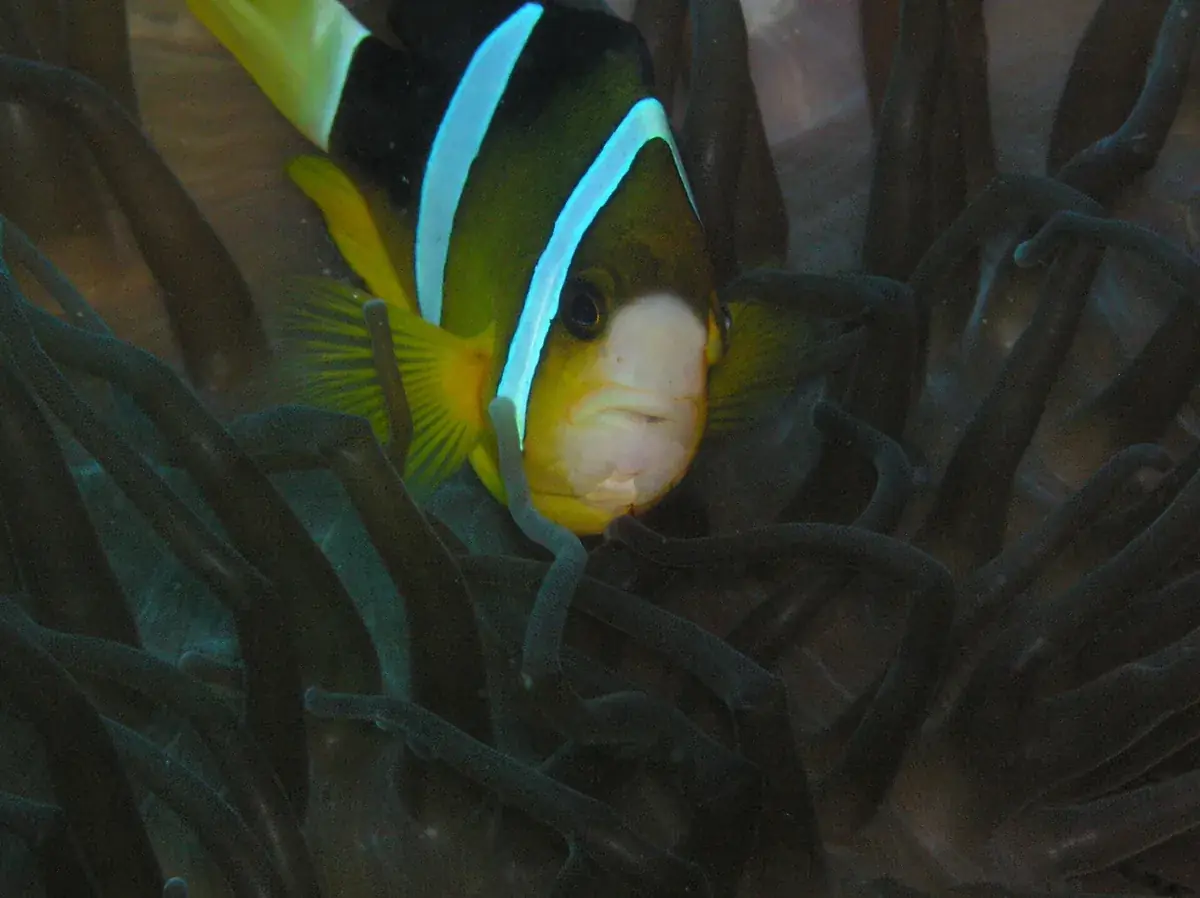
Hard and soft corals, trevally, batfish, sweetlips and turtles, with smaller life on the reef and the chance of something larger passing in the blue.
The reef
A terraced topography — steps of reef and coral heads — rather than a single straight wall, which gives the site its particular character.
Current and conditions
A tide-dependent drift through the channel, with more sheltered corners. Slack water can be a quieter way to enjoy the site. The entry point depends on the direction of the current.
Who it suits
Suitable for a wide range of divers, but only on a profile that matches the tide. Newer divers stay on the shallower terrace when the guide is happy with the current.
Best season and notes
Year-round. Named after the village and the first harbour on Nusa Penida.
A note on conditions. Currents, visibility, temperature and surge change with the weather, the tides, the moon and the season. What’s written here is typical, not a promise — your guide chooses the sites on the day, so the dive is safe and in the best water.
Nusa Lembongan
16Mangrove
- Level
- Beginner to expert
- Depth
- 40+ m
- Current
- Low to strong (a drift dive)
- Visibility
- Typically very good, sometimes moderate
- Temperature
- 20–28°C (average about 25°C)
Depth and shape
A wide, shallow plateau, then a stepped slope. Many drifts spend time in the 6–25 m range; Deep Roots lists a maximum of 40+ m.
What people tend to see
Dense reef fish, including titan triggerfish that can be rather sure of themselves, and turtles (more than one species is regularly reported). Barracuda sometimes appear in the blue, and the reef holds nudibranchs and other smaller life.
The reef
Giant sponges shaped by the current, then, further along, coral bommies, small sandy valleys and colonies of staghorn. The slope descends in stages, which helps you keep an eye on your depth.
Current and conditions
Usually a drift, with the entry often opposite the mangrove on the north-east of Lembongan. The current can run quite hard — stay with your guide.
Who it suits
A satisfying drift for a wide range of divers when the flow is gentle, and a more serious drift specialty when it runs.
Best season and notes
Year-round. The name comes from the mangrove shore at the north-east tip of Nusa Lembongan, which is the usual entry area — not from a dive among the roots themselves.
A note on conditions. Currents, visibility, temperature and surge change with the weather, the tides, the moon and the season. What’s written here is typical, not a promise — your guide chooses the sites on the day, so the dive is safe and in the best water.
17Blue Corner
- Level
- Expert
- Depth
- 40+ m
- Current
- Low to very strong
- Visibility
- Typically very good, sometimes moderate
- Temperature
- 19–28°C (average about 24°C)
Depth and shape
Often a drift along the slope at around 20 m, with deeper water off the corner and shallower rock formations later in the dive.
What people tend to see
Dived for larger animals as well as for the excitement: ocean sunfish in the cooler months, marbled rays, and reef sharks of several kinds. The later, shallower rocks are sometimes called the cathedral.
The reef
A slope and a ‘corner’ on the north-west of Lembongan, with crevasses to inspect when the current allows, then larger rocks in the shallows.
Current and conditions
Currents can be very strong, sudden and hard to read. The right tide — and the moon — matter here, and the landscape can be a little misleading. Follow your guide.
Who it suits
Expert only. Groups often make a quick, negative entry to stay together. It is a site for divers the team already knows are happy in strong current.
Best season and notes
Only when the tide and the sea allow. Ocean sunfish are more often reported from July to October, sometimes a little later.
A note on conditions. Currents, visibility, temperature and surge change with the weather, the tides, the moon and the season. What’s written here is typical, not a promise — your guide chooses the sites on the day, so the dive is safe and in the best water.
18Lembongan Bay
- Level
- Beginner to good
- Depth
- 15+ m
- Current
- None to low, with surge possible
- Visibility
- Typically very good, but it can fall to poor
- Temperature
- 22–29°C (average about 25°C)
Depth and shape
A shallow bay. Many dives stay at 3–12 m; Deep Roots lists a maximum of 15+ m.
What people tend to see
A colourful, small-scale reef: juvenile fish, crabs, shrimps, moray eels, octopus, cuttlefish and anemones. The white sand helps the colours stand out when the visibility is good.
The reef
Coral patches over a sandy floor, with an easy, open layout that suits training and a first look underwater.
Current and conditions
Usually a gentle site. Surge can roll through, and the bay is often busy with snorkel boats and pontoons.
Who it suits
Ideal for newly certified divers, training dives and try-dives, when the bay is calm.
Best season and notes
Year-round, when the bay is settled enough.
A note on conditions. Currents, visibility, temperature and surge change with the weather, the tides, the moon and the season. What’s written here is typical, not a promise — your guide chooses the sites on the day, so the dive is safe and in the best water.
Ready to plan a dive day?
Tell us how you dive and what you would love to see. The team will match the sites to the conditions and to you.