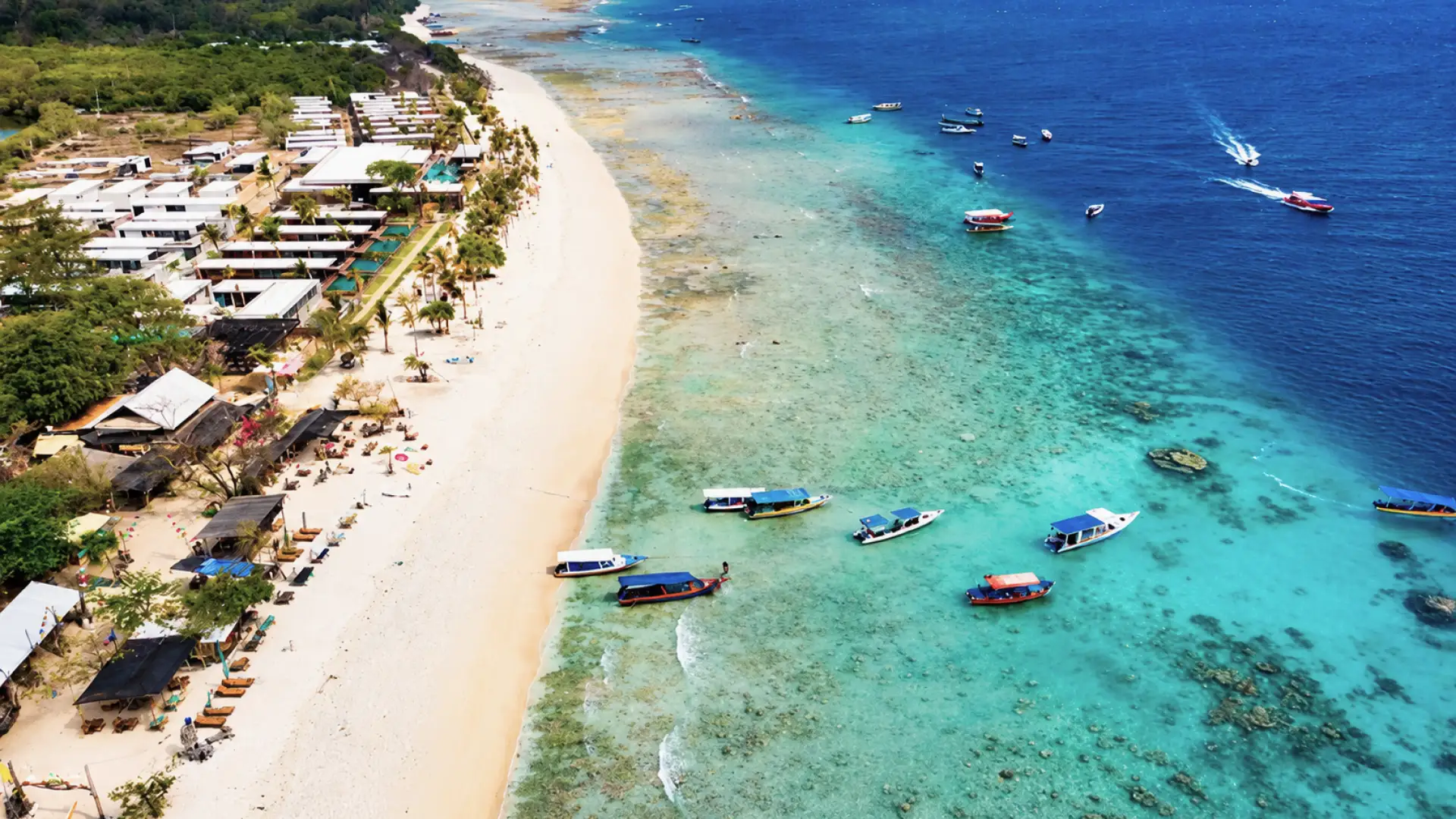
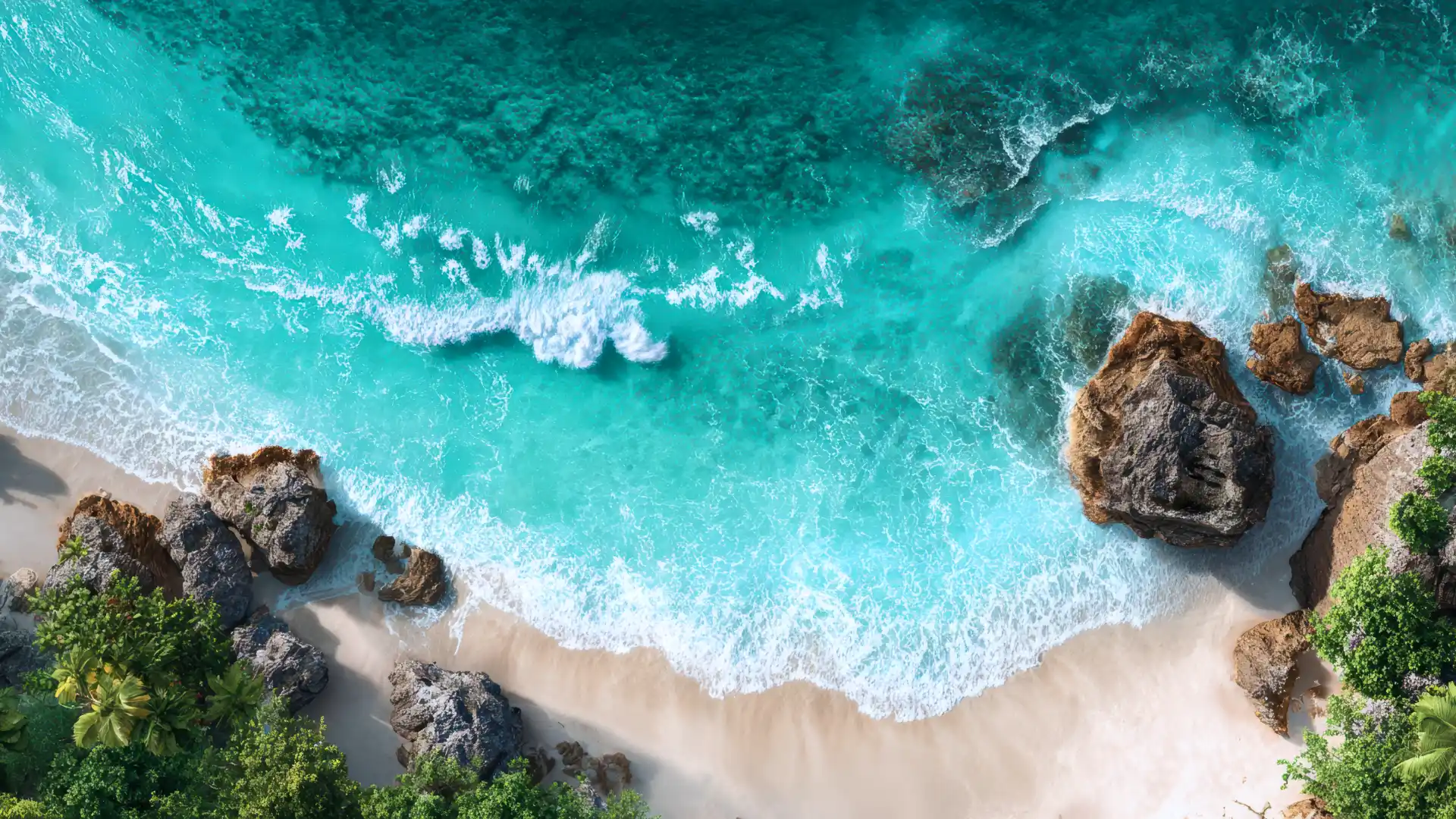
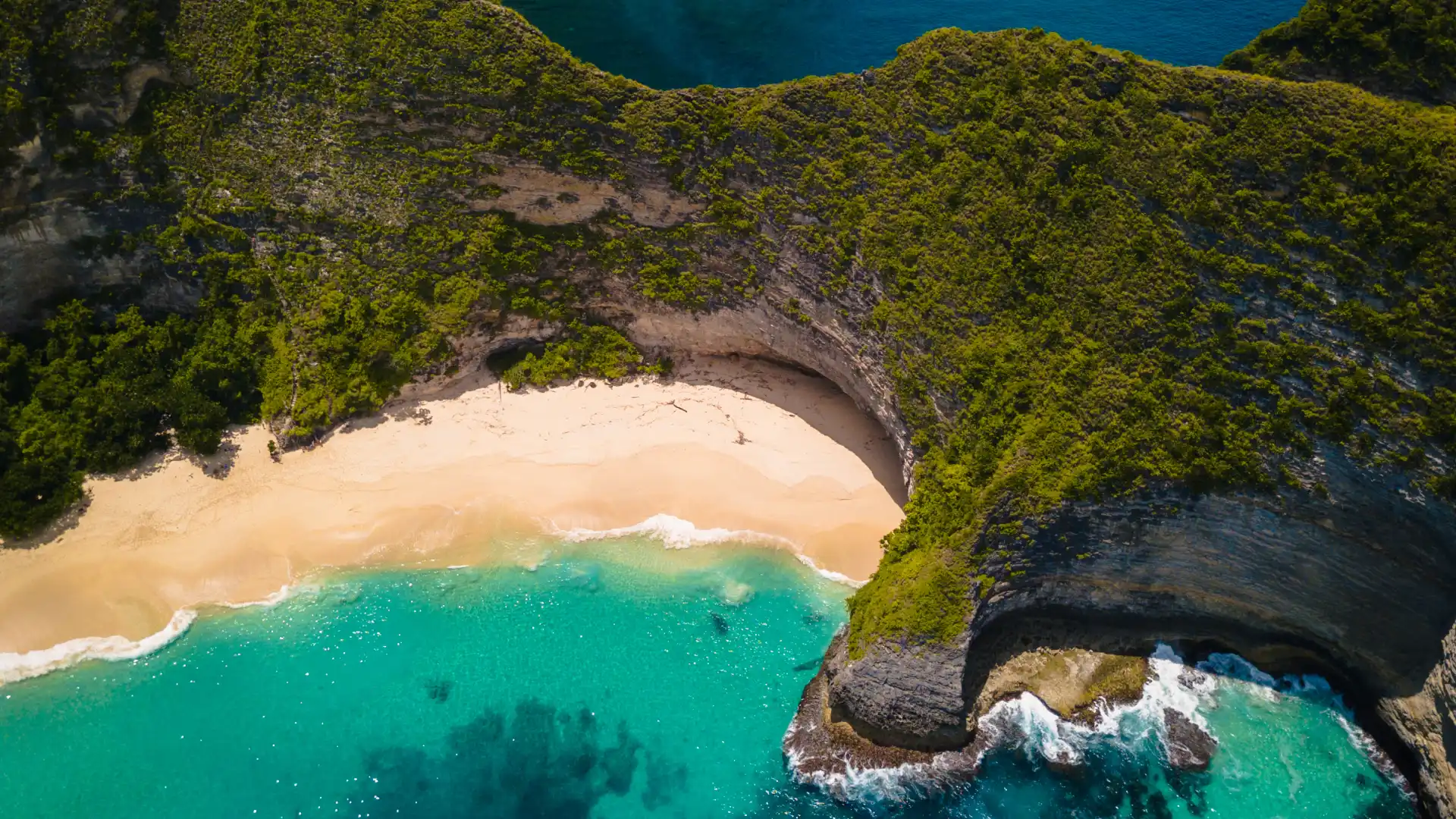
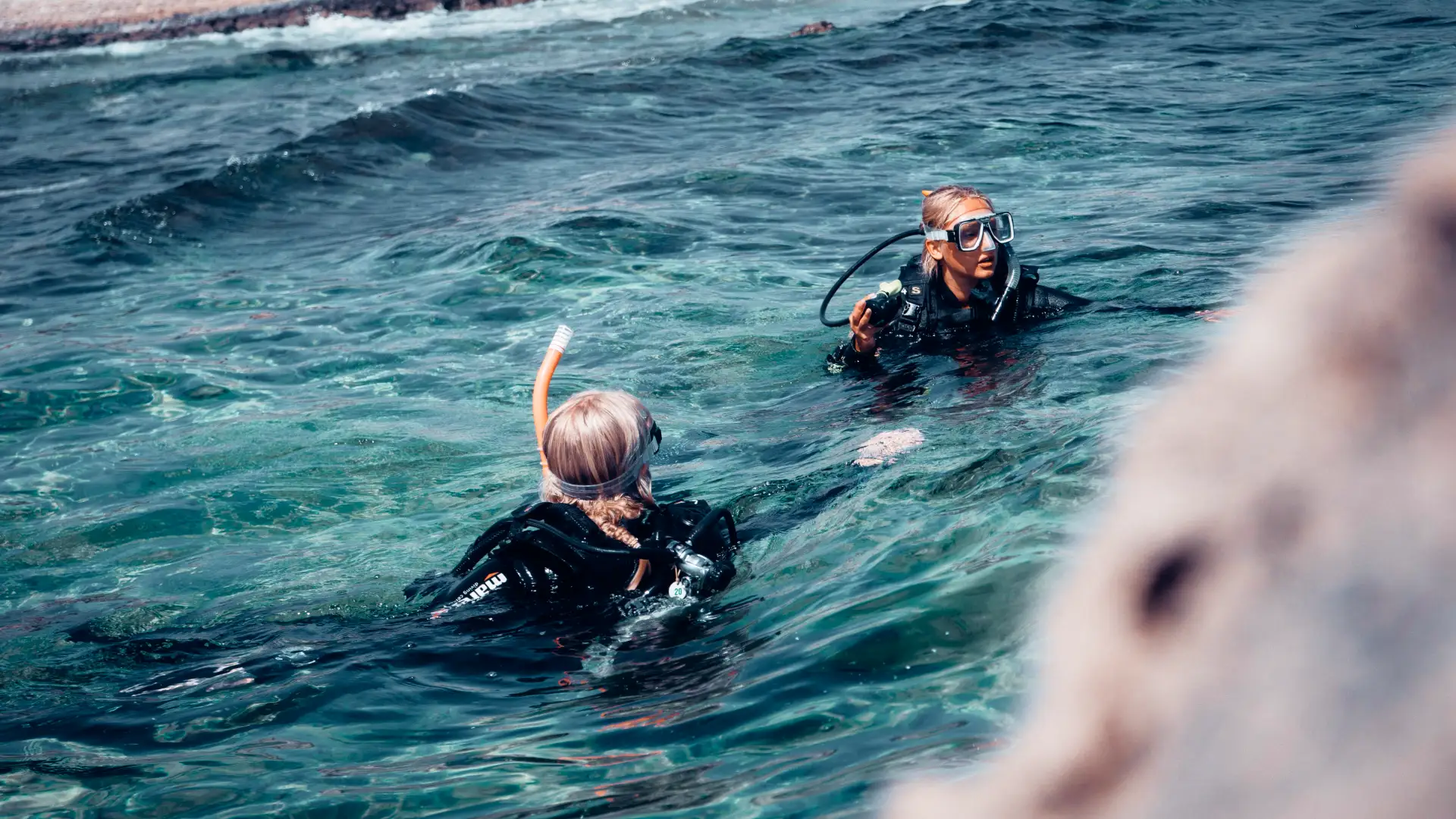
Nusa Penida is one of Indonesia’s top destinations for divers and ocean lovers. With strong currents, vibrant marine life, dramatic underwater walls, and opportunities to see manta rays and the seasonal mola mola, the island offers something for every level. If you’re planning your next underwater adventure, these five Nusa Penida diving spots are must-visits, along with practical tips to help you feel confident and ready in the water.
Before You Splash In, Safety & Conditions You Should Actually Know
Before you head into the water, it’s important to understand the sea conditions around Nusa Penida. The island is surrounded by open ocean, which means currents and tides are strong and changeable. This is normal and part of what makes Nusa Penida diving spots exciting, but a little preparation helps you stay confident.
Basic safety things to know:
- Most Nusa Penida diving spots have strong currents; this is why many dives here are drift dives.
- Surface conditions can change with tides and wind, so dive operators always check daily weather and sea reports.
- Warm tropical weather above water can feel different underwater, where currents and deeper water make it feel cooler.
Being aware of these conditions helps you make good choices, stay calm, and enjoy every dive.
Manta Point, The Iconic Manta Encounter
One of the most famous Nusa Penida diving spots is Manta Point. As the name suggests, this site is known for frequent manta ray sightings. The ocean currents bring nutrients that attract plankton, and manta rays come to feed and glide through the water.
Strong currents make drift diving the usual style here, and visibility is often very good. Both snorkelers and divers can enjoy this site, making it one of the most memorable Nusa Penida diving spots, especially if it’s your first time seeing mantas in the wild.
Crystal Bay, Beautiful Reefs & Seasonal Mola Chance
Crystal Bay is another favorite among Nusa Penida diving spots, celebrated for its colorful coral gardens and gentle walls. Currents here are usually calmer than other sites, making it a favorite for divers and snorkelers alike. The vibrant coral, schools of tropical fish, and seasonal chance to see the famous mola mola make it unforgettable. Mola mola are most often seen between July and October, but even outside this period, the reef is alive with marine life, making every dive at Crystal Bay rewarding.
Toyapakeh, The Classic Drift Dive with “Wow” Coral
Toyapakeh is a classic name when talking about Nusa Penida diving spots. This site is known for strong drift dives, dramatic walls, and dense coral formations.Toyapakeh is ideal for those who want both the movement and beauty of Nusa Penida’s underwater world, offering a dynamic dive that never feels repetitive.
Gamat Bay, Coral Plateau + Wall (And It Can Get Spicy)
Gamat Bay offers a mix of wide coral plateaus and deeper walls, making it one of the more varied Nusa Penida diving spots. Currents can be strong, adding a thrill for confident divers. The dense coral gardens, schools of tropical fish, and occasional encounters with larger pelagic species make it a favorite. Though the currents can challenge you, the contrast between shallow plateaus and deeper walls keeps each dive exciting and rewarding.
Manta Bay, A Second Manta Option When Conditions Fit
Manta Bay is a smaller, calmer alternative to Manta Point and is perfect for less experienced divers or for combining with other nearby dive sites. Manta Bay complements your dive itinerary, ensuring that even if conditions at Manta Point are strong, you can still enjoy encounters with these gentle giants while diving Nusa Penida.
When to Dive These Spots (The Truth: You Can Dive Penida Anytime)
The best part? There’s no 'wrong' time to visit. While the marine life shifts with the seasons, these amazing Nusa Penida diving spots are accessible 365 days a year.Currents and tides still matter, of course, but the island’s location means incredible dives are possible any time you visit.
A few tips to make your dive experience even better:
- Morning dives often have calmer water and clearer visibility.
- Manta rays can appear any time of year.
- Mola mola are commonly seen mid-year around July–October, at Crystal Bay.
- Local guides check tides and currents daily to ensure safety.
By staying flexible, listening to guidance, and planning a little around conditions, you can enjoy every Nusa Penida diving spot at your own pace. Every dive feels like an adventure, whether it’s your first encounter with a manta ray or your next drift along vibrant coral walls.
Diving Center at Nusa Penida by Deep Roots
Whether you’re new to the area or returning for more, choosing a reliable dive center makes a big difference. Deep Roots works with experienced local guides who understand the daily shifts in current, tide, and visibility. This helps create safer and more enjoyable dive plans around conditions and your comfort.
With Deep Roots, you can explore all of these Nusa Penida diving spots with support from professionals who prioritize safety, respect for marine life, and a balanced dive schedule. This approach helps you feel more relaxed both above and below water.
Make It a Full Island Reset at Deep Roots Nusa Penida Resort
The best part of a diving trip is not just what you see under the water, but also where you rest after. Deep Roots, our Nusa Penida Resort is a quiet and peaceful place where you can recover your energy after diving and enjoy the calm of the island.
Here, you can start your morning with gentle yoga Nusa Penida to stretch your muscles, relax your body, and prepare for the day. During the afternoon, you can enjoy the fresh air, or simply listen to the sounds of nature. By combining exciting diving Nusa Penida trips with these quiet, relaxing moments, your trip becomes more balanced and enjoyable. You can explore the island fully, feel refreshed every day, and connect with the beauty of Nusa Penida.