Ever looked at the clear blue ocean and wished you could explore what’s beneath the surface? If you’re wondering about scuba diving if you can’t swim, you’re not alone. Many people think you need to be an expert swimmer to try scuba diving, but the reality is more encouraging. Keep reading to discover what beginners need to know before taking the plunge.
Can Non Swimmers Try Scuba Diving?
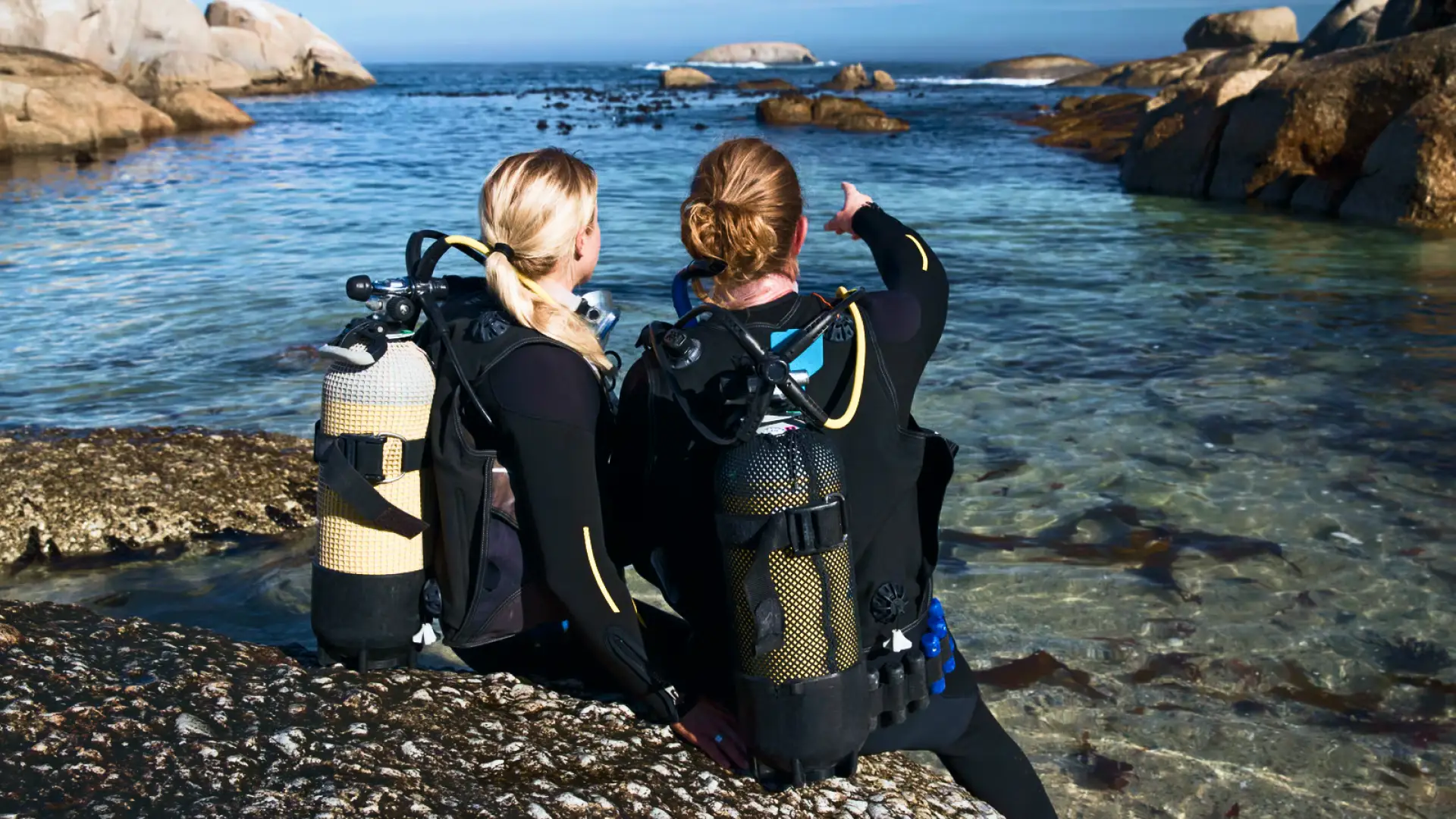
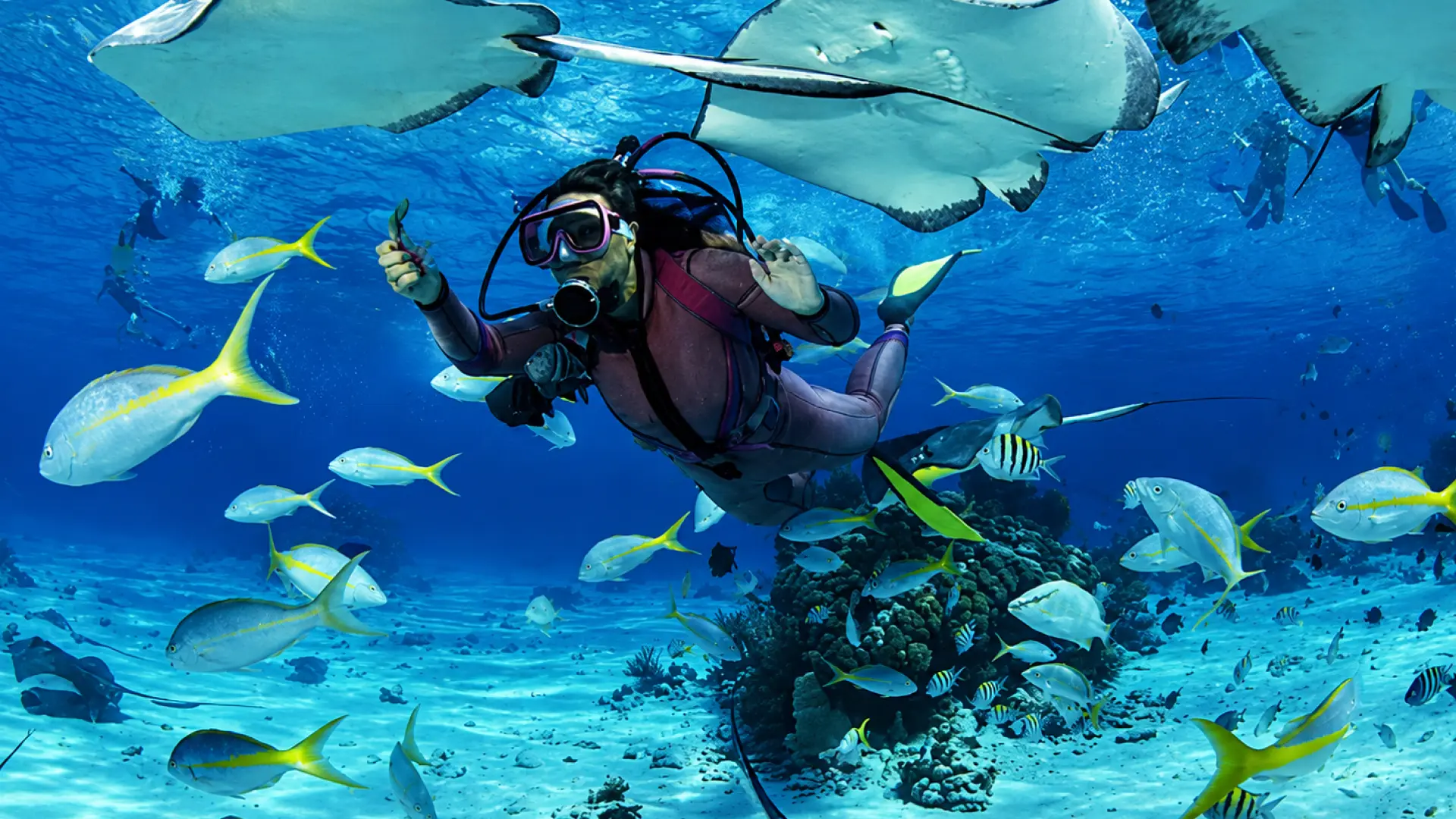
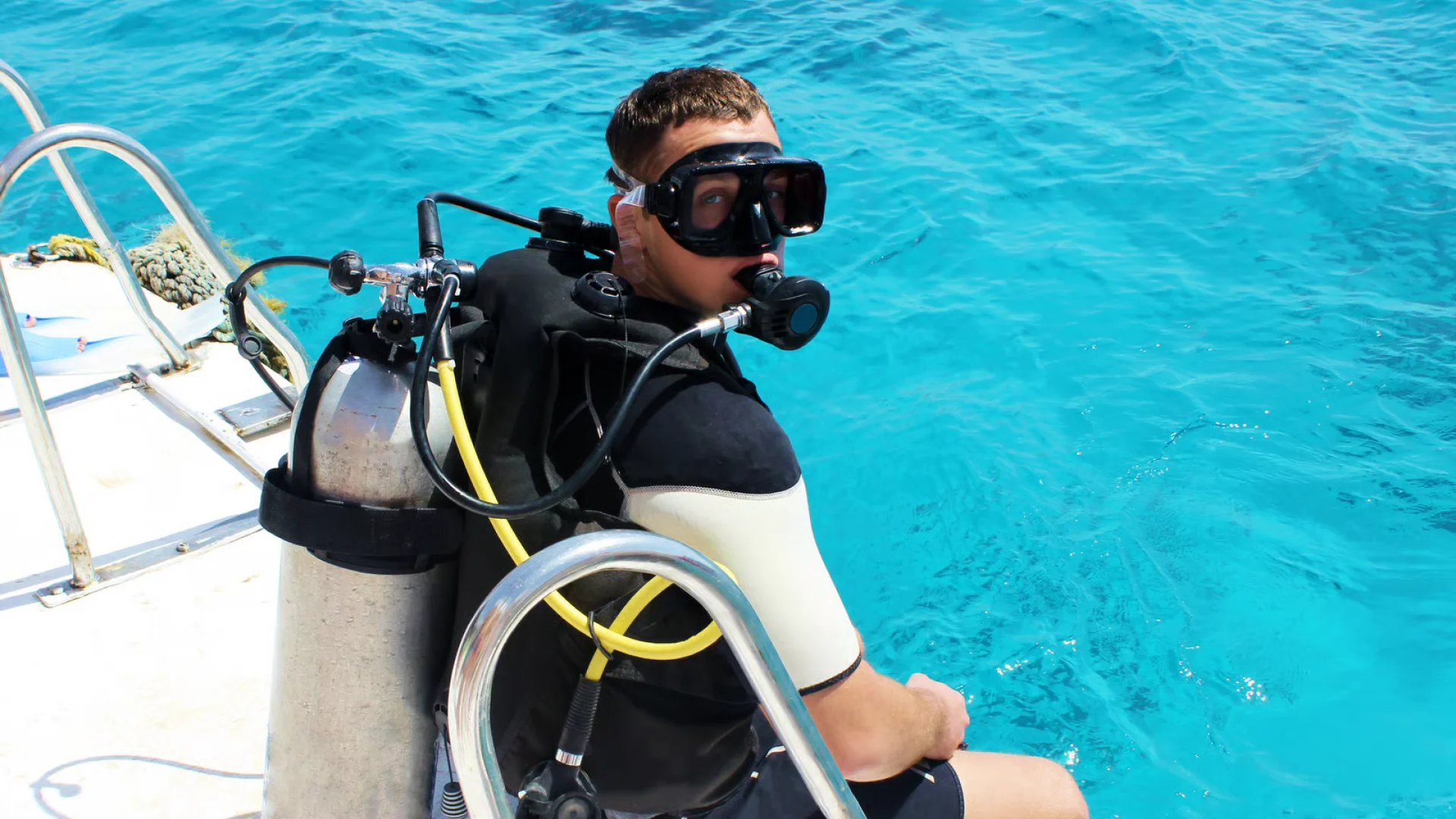
The short and exciting answer is yes. Some beginners with limited swimming skills can try scuba diving through an introductory program such as Discover Scuba Diving. These experiences are designed for beginners and include basic equipment and breathing practice under direct professional supervision. However, you still need to be comfortable in the water and able to keep yourself at the surface. Full scuba certification involves additional swimming requirements.
- Your professional instructor often holds onto your tank valve or swims right beside you to provide hands-on support and guidance.
- You are carefully introduced to breathing through a regulator in very shallow, calm water before venturing slightly deeper into the ocean.
- You never go beyond a very safe, manageable depth, which is usually a maximum of 12 meters under direct professional supervision.
If you are nervous about scuba diving if you can't swim, talk openly with your instructor before getting in the water. They can explain the requirements, check whether the experience is suitable for you, and help you feel more prepared. Never feel pressured to dive if you are uncomfortable or unable to meet the safety requirements. The goal is to enjoy the underwater experience while prioritizing your safety.
Certification Requires Basic Swimming Skills
Introductory dives can be accessible to beginners, but full scuba certification requires basic swimming skills. To become a certified diver, you generally need to complete a swimming assessment, such as a continuous swim and a 10-minute float or tread. You don’t need to be a fast swimmer, but you must be comfortable managing yourself in the water. If you’re researching scuba diving if you can’t swim, building basic water skills is an important step toward certification
You Do Not Need to Be an Expert Swimmer
The good news is that you don’t need to be an expert swimmer to enjoy scuba diving. You don’t need perfect swimming techniques or the speed of a competitive athlete. If you're researching scuba diving if you can't swim, basic water comfort is actually far more important than formal swimming technique. However, full scuba certification still requires you to meet specific swimming standards.
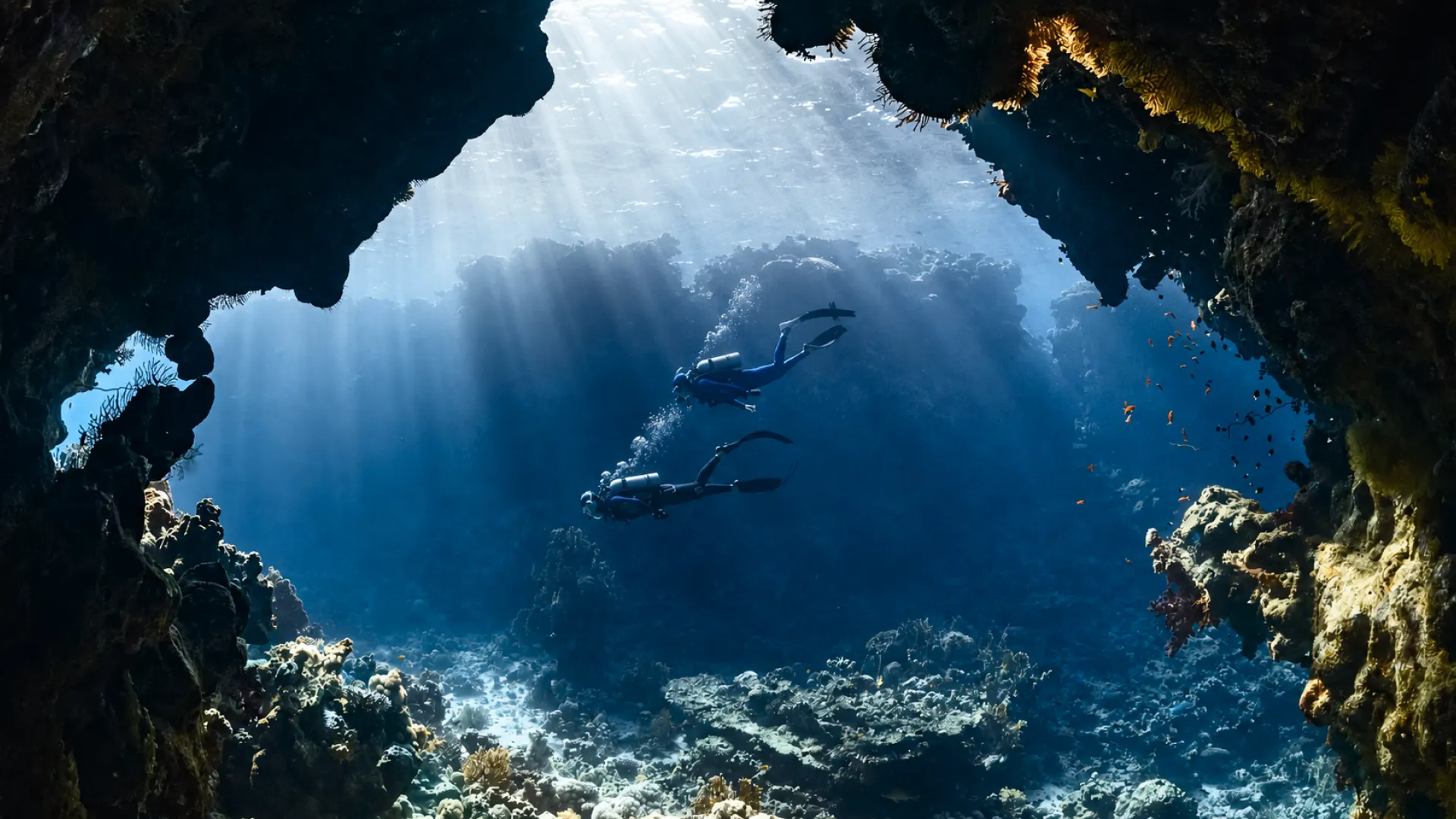
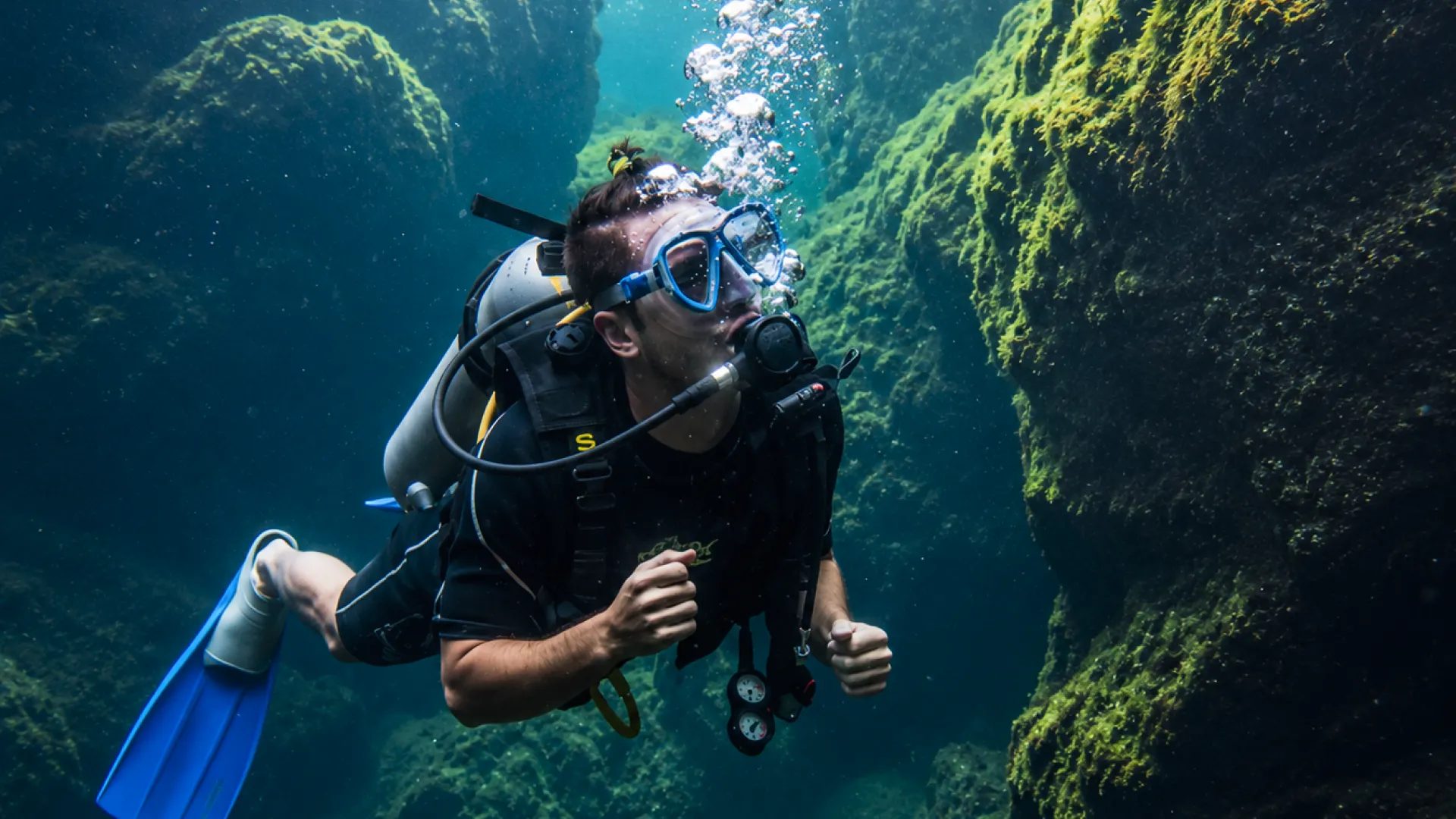
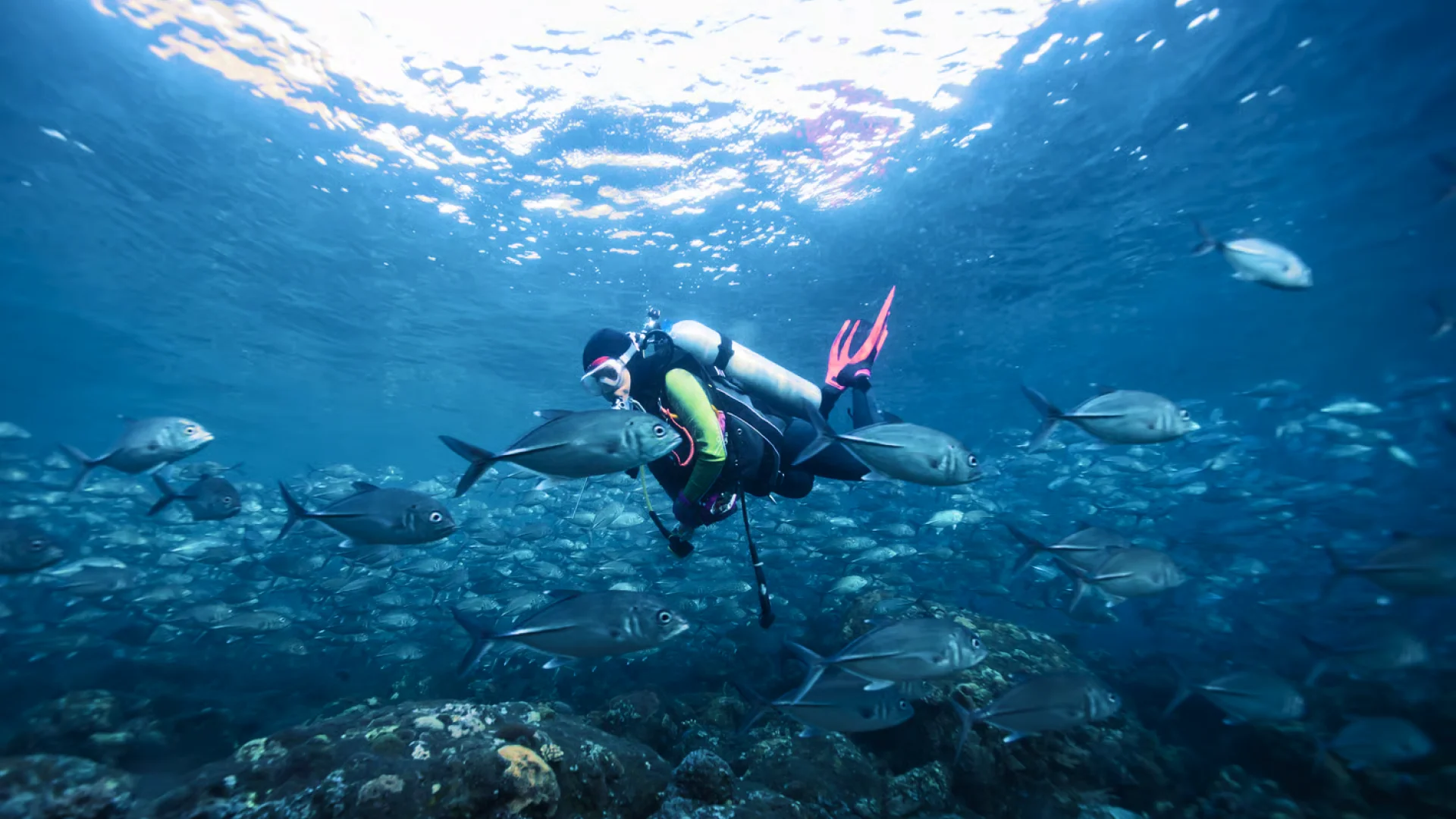
Underwater, scuba diving is usually slow and relaxed rather than fast-paced. Divers use their fins for gentle movement and generally keep their arms relaxed to save energy. Good buoyancy skills also help you move efficiently through the water. With basic swimming ability and proper training, you can focus more on enjoying the underwater world.
You Still Need to Feel Comfortable in the Water
Being comfortable and calm in the water is more important than being an expert swimmer. If you are very afraid of the water, scuba diving may feel stressful rather than enjoyable. For anyone considering scuba diving if you can't swim, building water confidence is an important first step. Feeling relaxed can also help you breathe steadily and focus on basic diving skills.
Tips to Build Water Confidence:
- Practice floating in a safe, supervised environment.
- Try snorkeling in calm, shallow water.
- Practice breathing slowly and steadily.
- Get familiar with having your face underwater.
- Tell your instructor if you feel nervous or uncomfortable.
Pool Diving Is Different From Open Water
Learning to scuba dive in a pool is very different from diving in the open ocean. Pools offer calm, clear, and controlled conditions where beginners can practice safely. For scuba diving if you can't swim, this controlled environment can be a helpful place to build confidence and learn basic skills. However, the ocean can have waves and currents, so basic water skills are important for staying calm and safe at the surface.
Check the Dive Center’s Requirements
Every reputable dive operator puts safety first, but requirements can vary depending on local water conditions. If you’re considering scuba diving if you can't swim, be honest with the dive center about your swimming ability and water experience. This helps the operator decide whether the experience is suitable for you. Choosing a professional and experienced dive operator can make your first dive safer and more comfortable.
Some destinations have strong currents that may not be suitable for beginners, especially when considering scuba diving if you can't swim. Others have calm, shallow waters that can be more comfortable for a first diving experience. A good dive center will explain the conditions, safety rules, and requirements before you enter the water. Always follow their advice and choose an experience that matches your ability.
Get Ready to Dive in Nusa Penida With Deep Roots
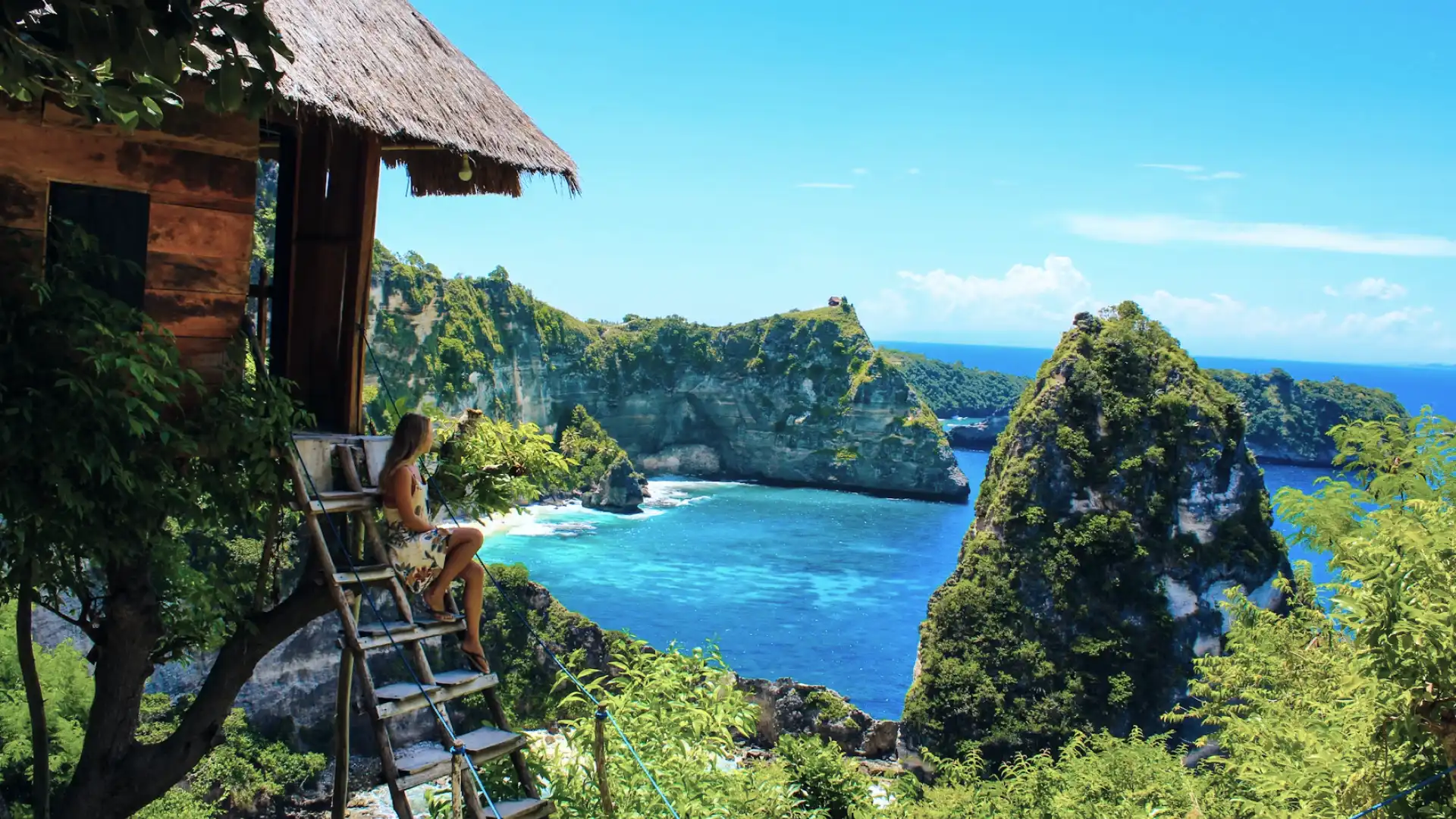
With all the facts covered regarding scuba diving, if you can't swim, you're ready to start planning your island adventure. Try a beginner dive and build your water confidence while exploring the waters around Nusa Penida.Choose a professional dive operator that puts safety and comfort first. Then, give yourself time to enjoy everything Nusa Penida has to offer above and below the water.
Dive by day, unwind by night. Stay at Deep Roots, a peaceful Nusa Penida resort where you can recharge after exploring the island’s waters. Relax by the pool, settle into your villa, and get ready for your next adventure. Make Deep Roots your home base and let every dive lead you back to comfort.