Trying scuba diving for the first time is exciting, but it’s also normal to have plenty of questions before getting into the water. Understanding basic skills and equipment in advance gives you a clear idea of what to expect.
Here is a beginner scuba diving guide that will tell you about the essential things you should know before your first underwater adventure, helping you feel more comfortable and confident from the moment you arrive at the dive site.
Start With the Right Beginner Diving Programme
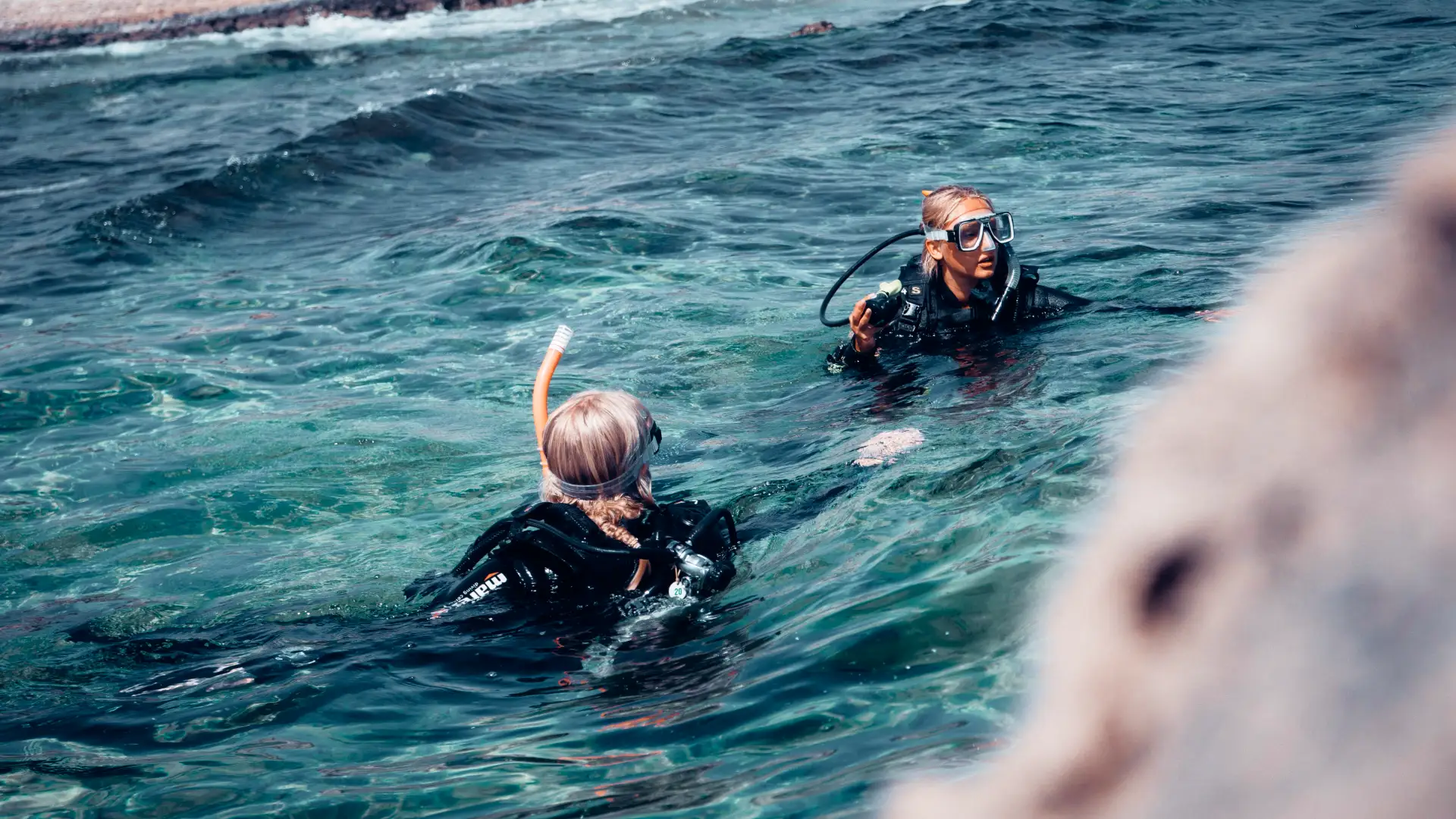
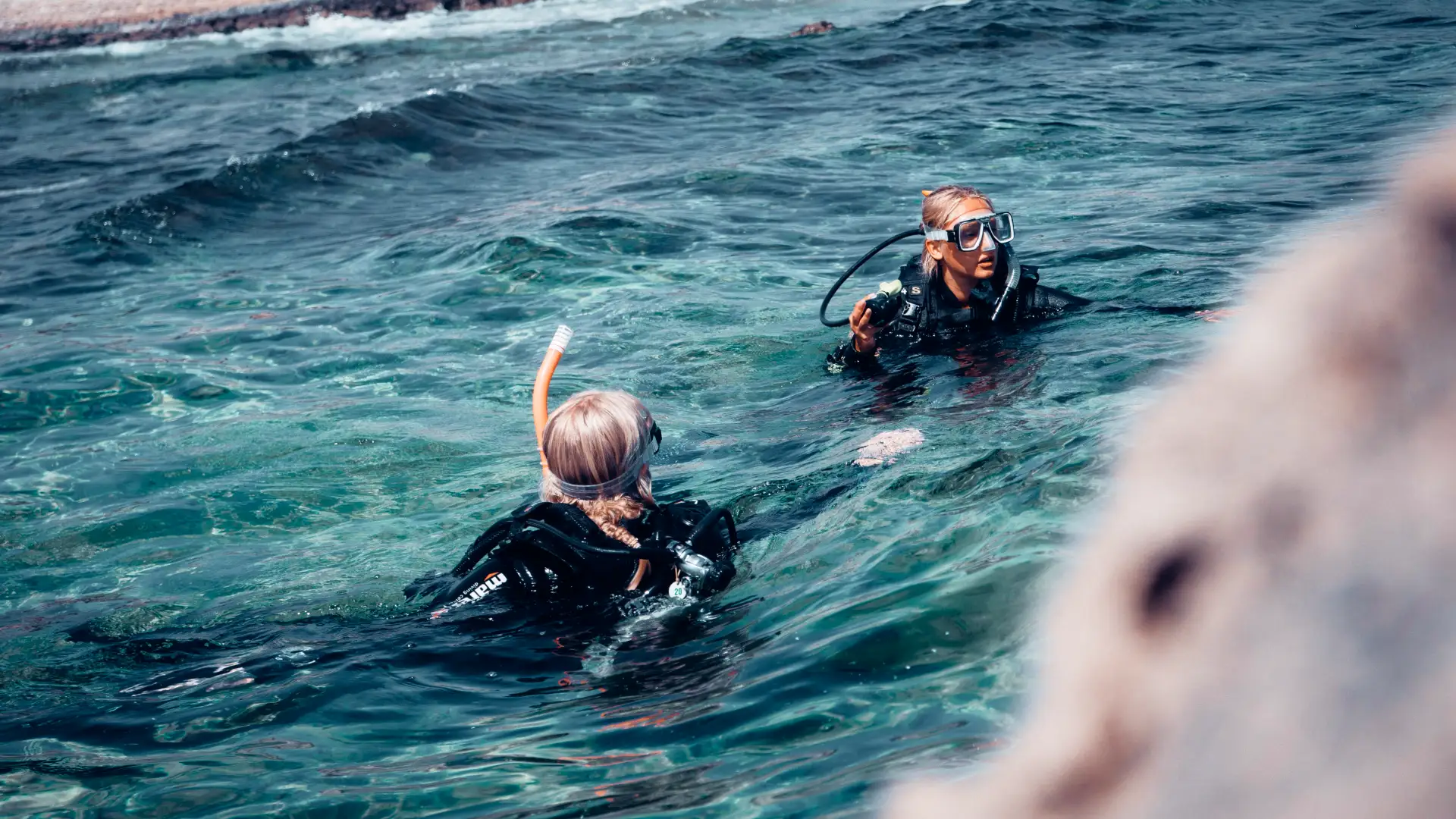
The first step in any beginner scuba diving guide is choosing the right programme, a programme that is designed specifically for first-time divers. These introductory experiences are led by certified instructors who explain the basics before you enter the water, allowing you to learn at a comfortable pace without needing a diving certification. Most programmes begin in shallow water, where you’ll practise simple skills before exploring a reef under close supervision. It is a simple way to try scuba diving and decide if you want to pursue it further.
Check Your Health and Water Confidence First
A good diving experience starts with feeling healthy and confident. Before your first dive, make sure you feel physically well and comfortable in the water. Reading a beginner scuba diving guide beforehand can also help you understand what to expect and feel more prepared. You don’t need to be an expert swimmer, but having basic water confidence will help you.
If you have any medical conditions, speak with your instructor beforehand. Diving centres will also ask you to complete a health questionnaire to make sure scuba diving is suitable for you. Feeling calm and enjoying the experience often makes learning much easier than focusing only on technique or forcing yourself beyond your comfort level.
Get Comfortable With Your Scuba Equipment
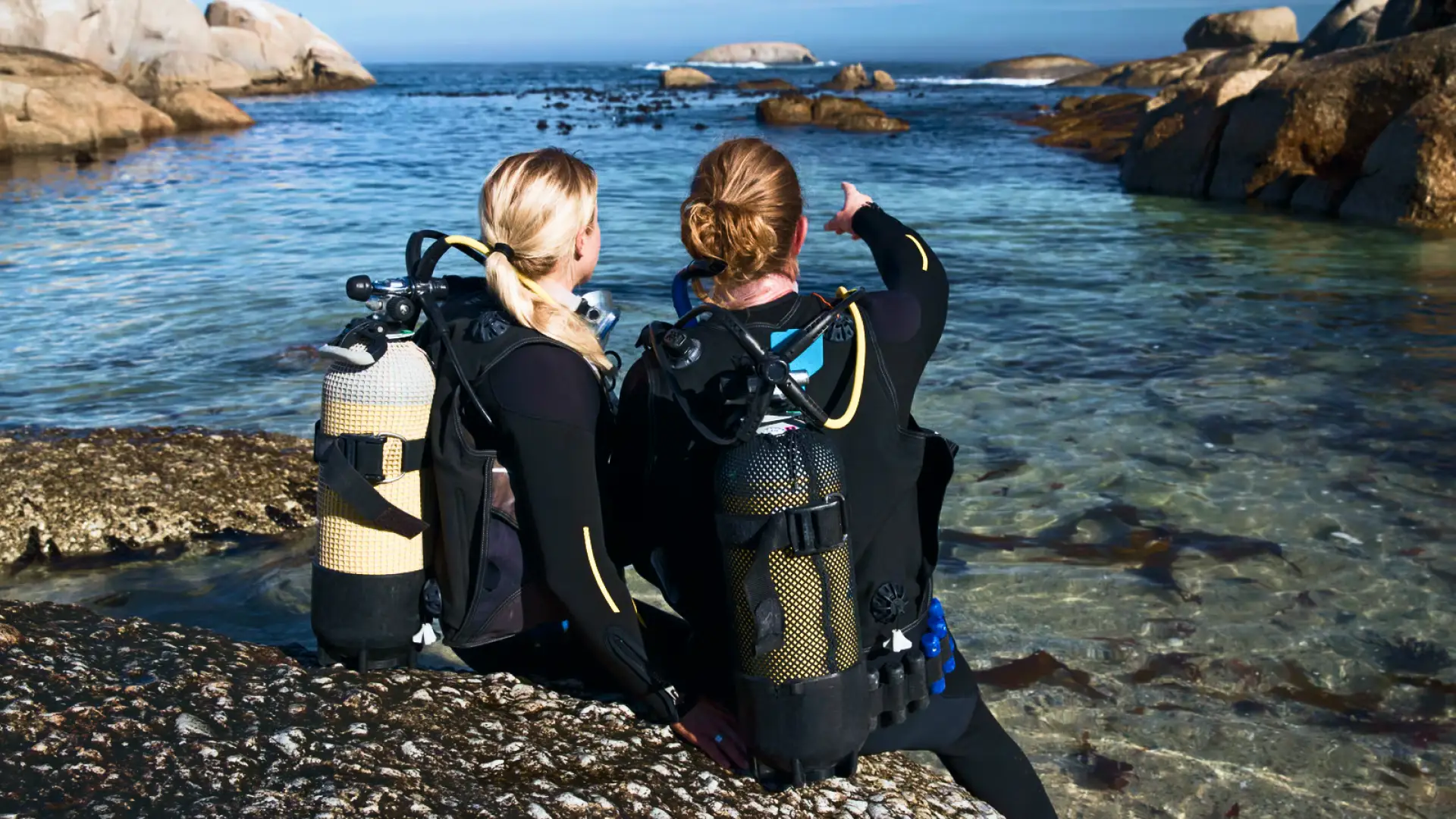
One of the biggest concerns for first-time divers is using scuba equipment. At first, wearing all the gear may feel unfamiliar, but that’s completely normal. Fortunately, your instructor will explain each piece of equipment before the dive and show you how to use it properly.
You’ll learn how the regulator works, how to read your pressure gauge, how the buoyancy control device helps you stay afloat, and how your mask and fins should fit. Taking a few extra minutes to understand your equipment is one of the best tips in any beginner scuba diving guide, helping you feel more confident and fully enjoy your first dive.
Learn to Breathe and Equalise Without Rushing
A good beginner scuba diving guide always emphasizes one important habit: never rush or panic. While underwater, breathe slowly and naturally through your regulator, and never hold your breath. It might feel unusual at first, but after a few minutes, your breathing will usually become more natural.
As you descend, remember to equalise the pressure in your ears regularly by gently pinching your nose and blowing softly. Doing this early and often helps make the descent much more comfortable. Staying calm and breathing steadily is one of the easiest ways to enjoy your first dive.
Practise Essential Skills Before Entering Open Water
Before starting on your open water dive, your instructor will guide you through a few essential skills in shallow water. As part of any beginner scuba diving guide, mastering these fundamental skills is the first step toward becoming a safe and confident diver. Some of the basic skills you'll practise include:
- Clearing water from your mask if water gets inside without needing to surface.
- Recovering your regulator if it accidentally comes out of your mouth during the dive.
- Using basic hand signals to communicate clearly with your instructor and dive buddy underwater.
- Practising neutral buoyancy so you can stay balanced in the water without constantly sinking or floating upward.
These skills may seem simple at first, but they form the foundation of safe scuba diving. Once you’re comfortable with them, you’ll feel much more relaxed and prepared for your first open water dive.
Can Anyone Try Scuba Diving?
Many people assume scuba diving is only for experienced swimmers or adventurous travelers, but that’s not always true. If you're reading a beginner scuba diving guide, you'll quickly discover that most introductory diving programmes are designed specifically for people with no previous diving experience.
Most healthy adults and older teenagers can participate, provided they meet the basic medical requirements and follow their instructor’s guidance. You also don’t need to be an expert swimmer, being comfortable in the water and able to follow instructions is usually enough for a beginner's experience. Even if it’s your first time breathing underwater, professional instructors will guide you through every step of the dive. So yes, almost anyone can try scuba diving as long as they meet the necessary requirements and are ready to learn.
Add a Gentle Yoga Session After Your Dive
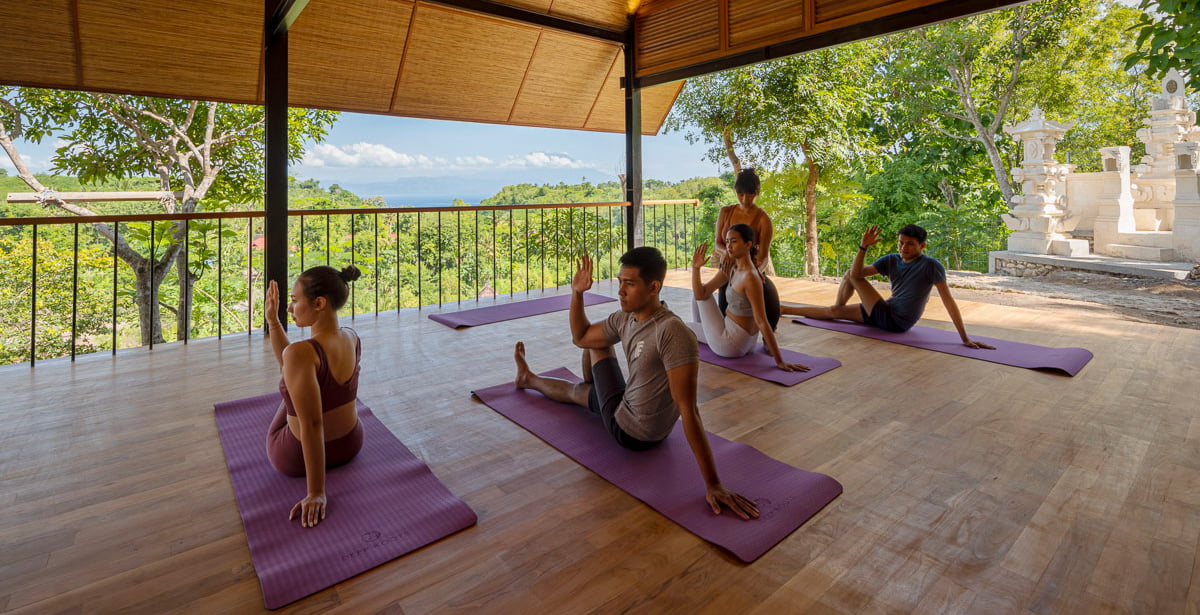
A little cheat code from any beginner scuba diving guide is to try yoga in Nusa Penida afterward. Scuba diving is a physically and mentally focused activity that requires both body control and concentration. That’s why many divers enjoy slowing down with light stretching or yoga after spending time underwater.
Light stretching after a dive relaxes tired muscles and aids physical recovery. Combining scuba diving with yoga actually creates a balanced experience, allowing you to enjoy both the excitement of exploring the underwater world and the relaxation that comes afterward.
Plan Your First Dive Trip to Nusa Penida With Deep Roots
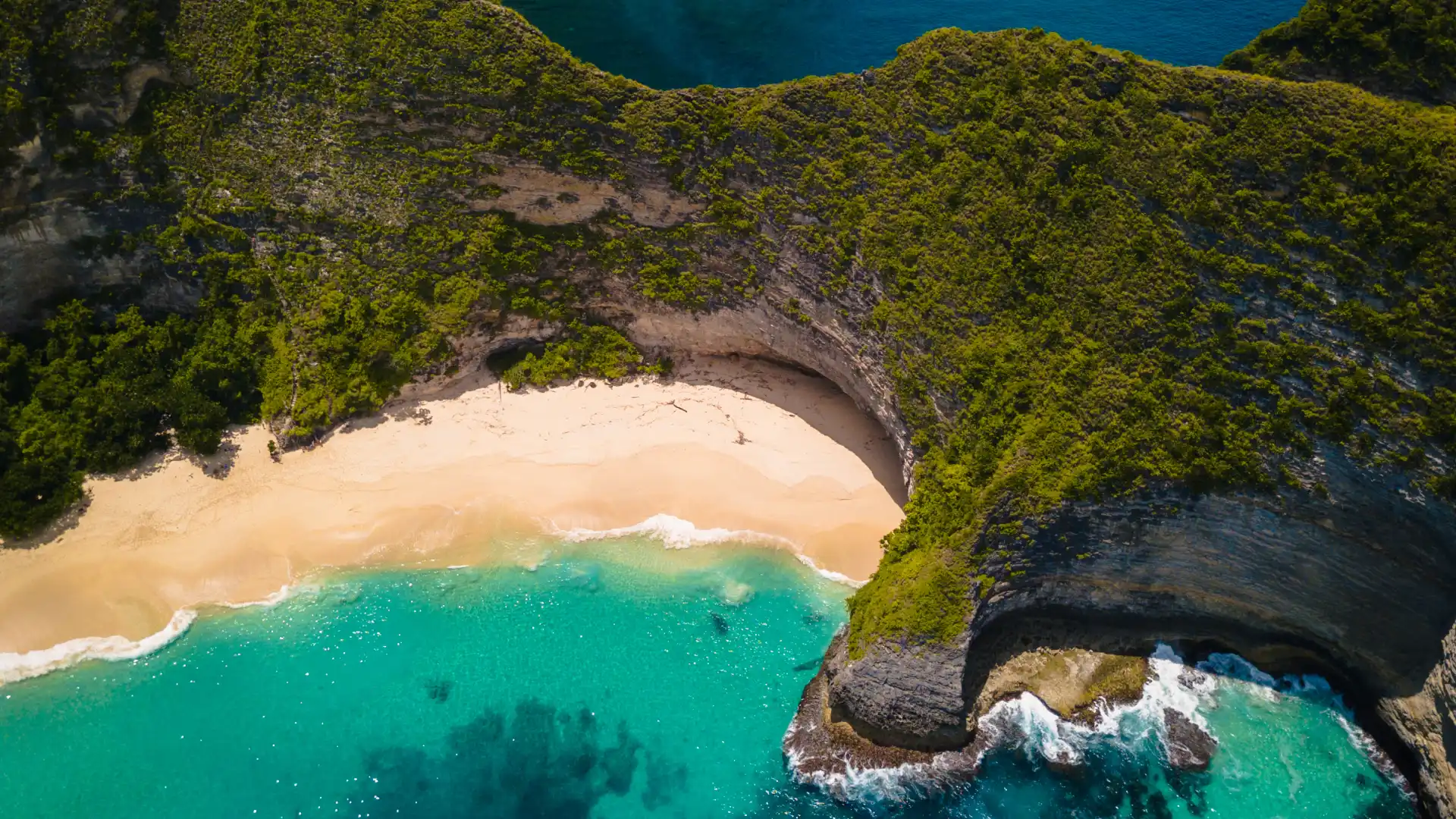
After reading a beginner scuba diving guide, take the next step by exploring diving Nusa Penida. With crystal-clear waters, vibrant marine life, and expert instructors, it’s the perfect destination to experience your first dive with confidence.
We recommend spending a few nights on the island rather than rushing through a quick day trip. As a Nusa Penida resort, we provide comfortable accommodation alongside professionally guided diving experiences, giving you quiet grounds to recharge between dive trips. After exploring the ocean, you can also join our yoga sessions right on-site to stretch and unwind. Staying with us at Deep Roots gives you the time and space to experience the island at a comfortable pace, both above and below the water.