A scuba dive can be an exciting way to explore coral reefs, marine life, and the underwater world. But even after leaving the water, the body is still adjusting to the effects of pressure. That makes knowing what not to do after scuba diving just as important as following proper safety practices underwater. This guide covers key post-dive rules to help keep divers safe and ready for their next dive.
Do Not Fly Too Soon After Scuba Diving
Flying too soon after scuba diving can increase the risk of decompression sickness (DCS). During a dive, the body absorbs extra nitrogen from breathing compressed air underwater. Going to high altitude too soon can cause this nitrogen to form bubbles as pressure decreases. For this reason, following the recommended surface interval is an important part of what not to do after scuba diving.
- After a single dive: Wait at least 12 hours before flying after a single no-decompression dive to allow the body more time to release absorbed nitrogen.
- After multiple dives: Wait at least 18 hours after multiple dives in one day before flying, as repeated dives can leave more residual nitrogen in the body.
- After several diving days: A longer interval of 24 hours or more may be recommended after diving on consecutive days, depending on the diving profile and individual circumstances.
- Check with a dive professional: When in doubt, ask a qualified dive professional or medical provider familiar with diving medicine about the appropriate waiting period before flying.
Do Not Head Straight to High Altitude
Going to high altitudes too soon after scuba diving can increase the risk of decompression sickness. Driving to a mountain area can lower surrounding pressure, similar to the pressure change experienced during a flight. This can cause nitrogen absorbed during a dive to form bubbles in the body. As a general precaution of what not to do after scuba diving, wait around 18 to 24 hours before traveling to significantly higher elevations after diving.
Do Not Do Strenuous Exercise Right Away
Heavy exercise is another important item on the list of what not to do after scuba diving. Intense workouts can increase heart rate and blood flow, which may affect how the body releases nitrogen after a dive. Heavy lifting or strenuous activity can also cause muscle and joint aches that may be confused with decompression sickness symptoms. For this reason, it is better to keep the rest of the day relaxed and save intense exercise for later.
- Avoid intense workouts: Skip activities such as heavy weightlifting, long-distance running, or other strenuous exercise immediately after diving.
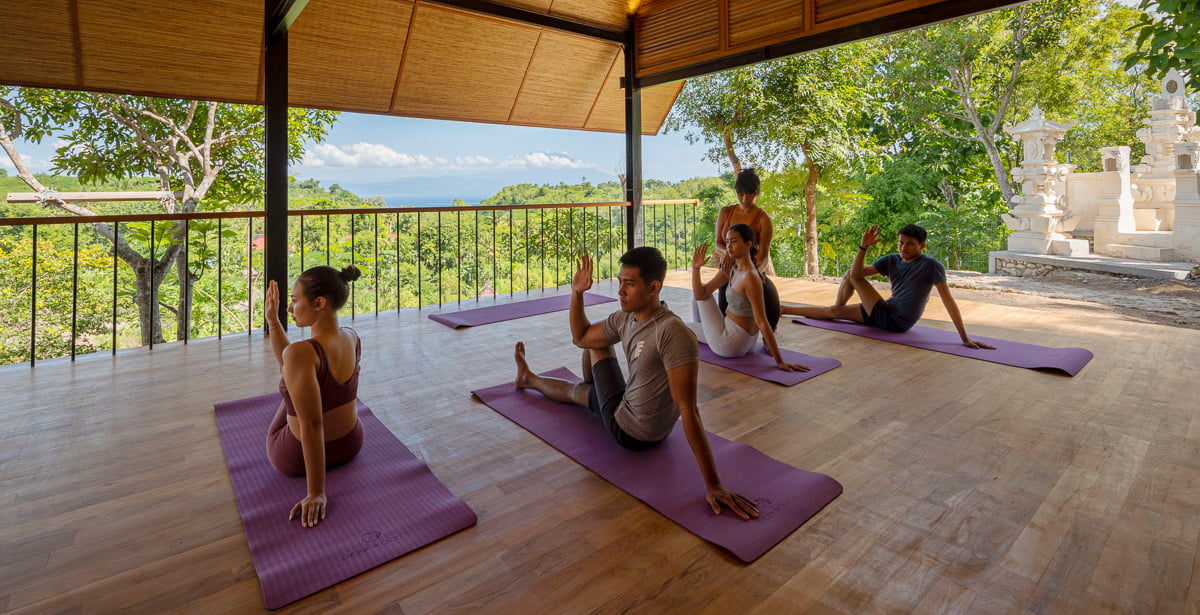
- Choose light activities: Relaxing by the pool, reading, or taking an easy walk can be better options while the body recovers.
- Watch for unusual symptoms: New or unexplained pain, weakness, dizziness, or other concerning symptoms after diving should be taken seriously and assessed by a medical professional.
- Return to exercise gradually: Allow enough recovery time before going back to demanding workouts, especially after multiple or deeper dives.
Do Not Jump Straight Into a Very Hot Tub
A hot shower or hot tub may feel relaxing after a dive, but it is actually what not to do after scuba diving. Strong heat can cause blood vessels to widen and increase blood flow near the skin. This may affect how the body releases nitrogen absorbed during the dive. Because of this, it is safer to avoid very hot water immediately after diving.
Wait a few hours before using a hot tub or taking a very hot shower. A lukewarm shower is a better option right after a dive. This gives the body time to naturally release excess nitrogen. Staying comfortable without overheating can support a safer post-dive recovery.
Do Not Overdo Alcohol After Diving
Having a drink after scuba diving may seem like a fun way to celebrate, but it is one of the things to include in what not to do after scuba diving. Alcohol can contribute to dehydration, while the body needs enough fluids after being underwater. Its effects can also make it harder to notice symptoms that may need medical attention. Instead, drink plenty of water and allow the body time to recover before considering alcohol.
Do Not Ignore Unusual Symptoms After a Dive
Knowing what not to do after scuba diving also means paying attention to unusual symptoms after a dive. Even with proper safety procedures, decompression sickness (DCS) can sometimes occur. Unusual pain, numbness, dizziness, or breathing problems should not be ignored. Seek medical attention promptly if any concerning symptoms appear after diving.
- Joint pain or numbness: Do not ignore deep or unusual joint pain, tingling, or numbness in the arms or legs after a dive.
- Skin changes or fatigue: Watch for unusual skin rashes, extreme tiredness, dizziness, or other symptoms that feel different from normal post-dive fatigue.
- Breathing or balance problems: Shortness of breath, weakness, poor coordination, or difficulty maintaining balance can require urgent medical assessment.
- Seek medical help: If symptoms that could indicate DCS appear, contact emergency medical services or a diving-medicine professional as soon as possible rather than waiting for them to improve.
When it comes to DCS, getting evaluated early by a dive medical professional is always safer than waiting to see if symptoms fade on their own.
Give Yourself Time After Diving in Nusa Penida With Deep Roots
Planning diving Nusa Penida also means giving the body enough time to rest after each dive. Instead of rushing to catch a flight or travel to high places, take time to relax and recover. Deep Roots offers a comfortable place to unwind after a day underwater. It makes post-dive downtime easy and enjoyable.
Ready to dive and slow down? Make Deep Roots your Nusa Penida resort for a relaxed island stay. Dive by day, rest by the pool, and enjoy Nusa Penida at an easy pace. Dive. Rest. Repeat.