Have you ever wondered what it feels like to breathe underwater for the first time? For many beginners, scuba diving feels both exciting and a little nervous at the same time. Learning a few simple scuba diving beginner tips can help you feel safer, calmer and more confident underwater. Whether you are starting a certification course or planning your first dive trip, the right preparation can make the experience much more enjoyable.
Start with the Right Diving Program
To start this scuba diving beginner tips, choosing a course with supportive instructors and a comfortable learning environment. Learning slowly and building confidence step by step can make diving feel safer and more enjoyable. Many beginners also enjoy training in beautiful destinations like Nusa Penida, where they can combine diving with a relaxing island stay. The right program can help new divers feel more calm and confident underwater. When you are looking for the right diving program, how about considering these qualities:
- Small class sizes for better guidance
- Patient and supportive instructors
- Calm training locations for practice
- Flexible schedules with less pressure
Never Hold Your Breath
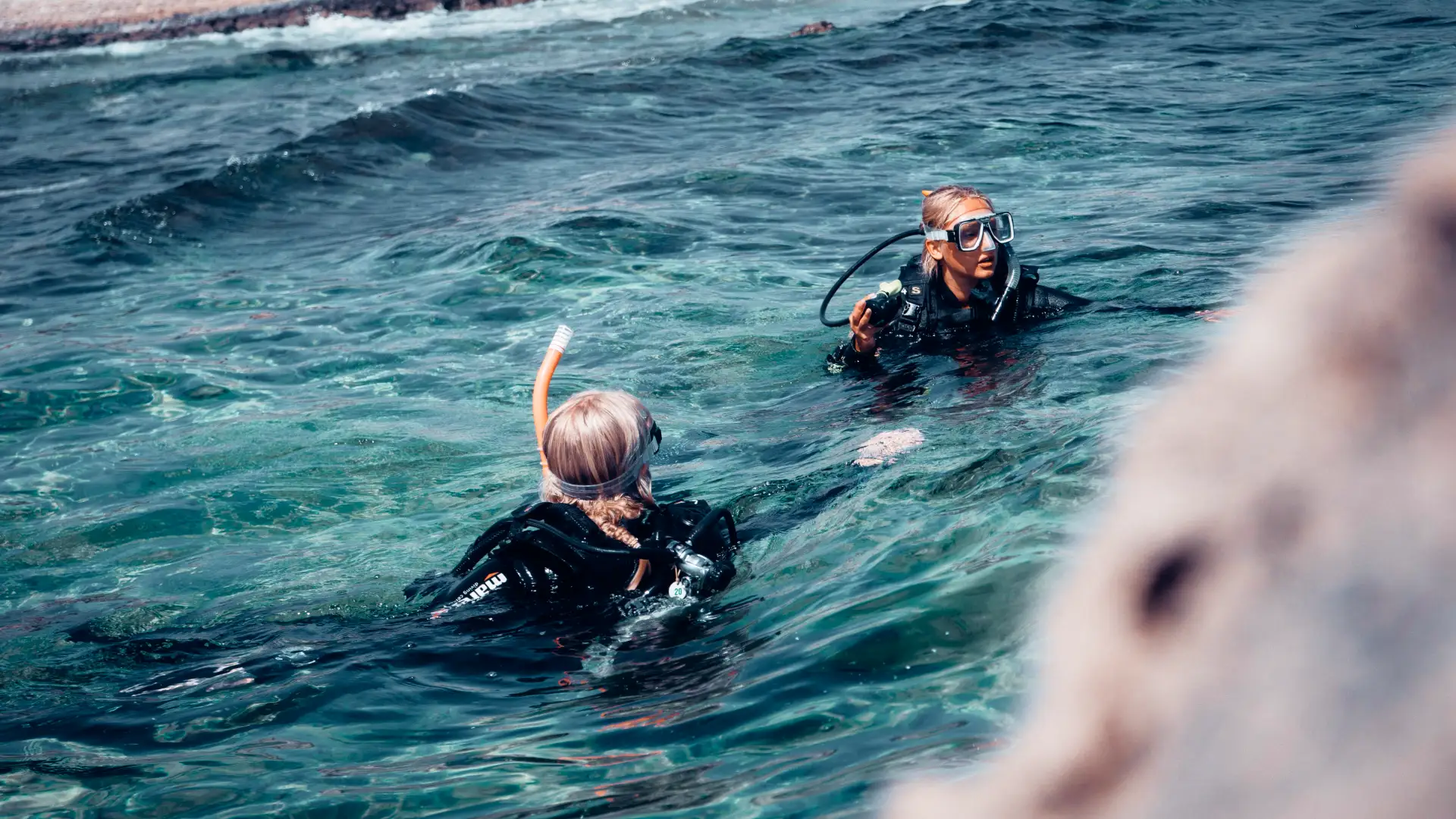
One of the most important scuba diving beginner tips is to never hold your breath underwater. Divers should breathe slowly and continuously while underwater to stay safe and relaxed. New divers sometimes hold their breath when they feel nervous. Calm breathing can also make the entire diving experience feel more comfortable and peaceful.
Simple breathing habits can help beginners feel more confident underwater. Taking slow breaths and relaxing your body helps reduce stress and save energy while diving. If you feel nervous, pause calmly and focus on your breathing rhythm again. Many experienced divers say relaxed breathing is the key to enjoying scuba diving more naturally.
Equalize Early and Often
One of the most useful scuba diving beginner tips is learning how to equalize your ears underwater. Divers usually pinch their nose and blow gently while descending to balance ear pressure. Descending slowly and equalizing before discomfort starts can make dives feel much more comfortable. With practice and patience, equalizing becomes easier and more natural for beginner divers.
Master Buoyancy Early
One of the most important scuba diving beginner tips is learning buoyancy control. Good buoyancy helps divers feel weightless underwater while improving comfort, safety and air use. When divers stop fighting the water, diving becomes smoother and more relaxing. It also helps protect coral reefs and improves underwater visibility.
Many beginners float too high or sink too quickly during their first dives, but this is completely normal. With practice, buoyancy naturally becomes easier over time. Better buoyancy also makes underwater photography and marine life watching more enjoyable. Small adjustments and calm breathing can make a big difference underwater.
- Breathe slowly and steadily
- Avoid too much arm movement
- Add air slowly to the BCD
- Practice small body movements underwater
Always Do a Buddy Check
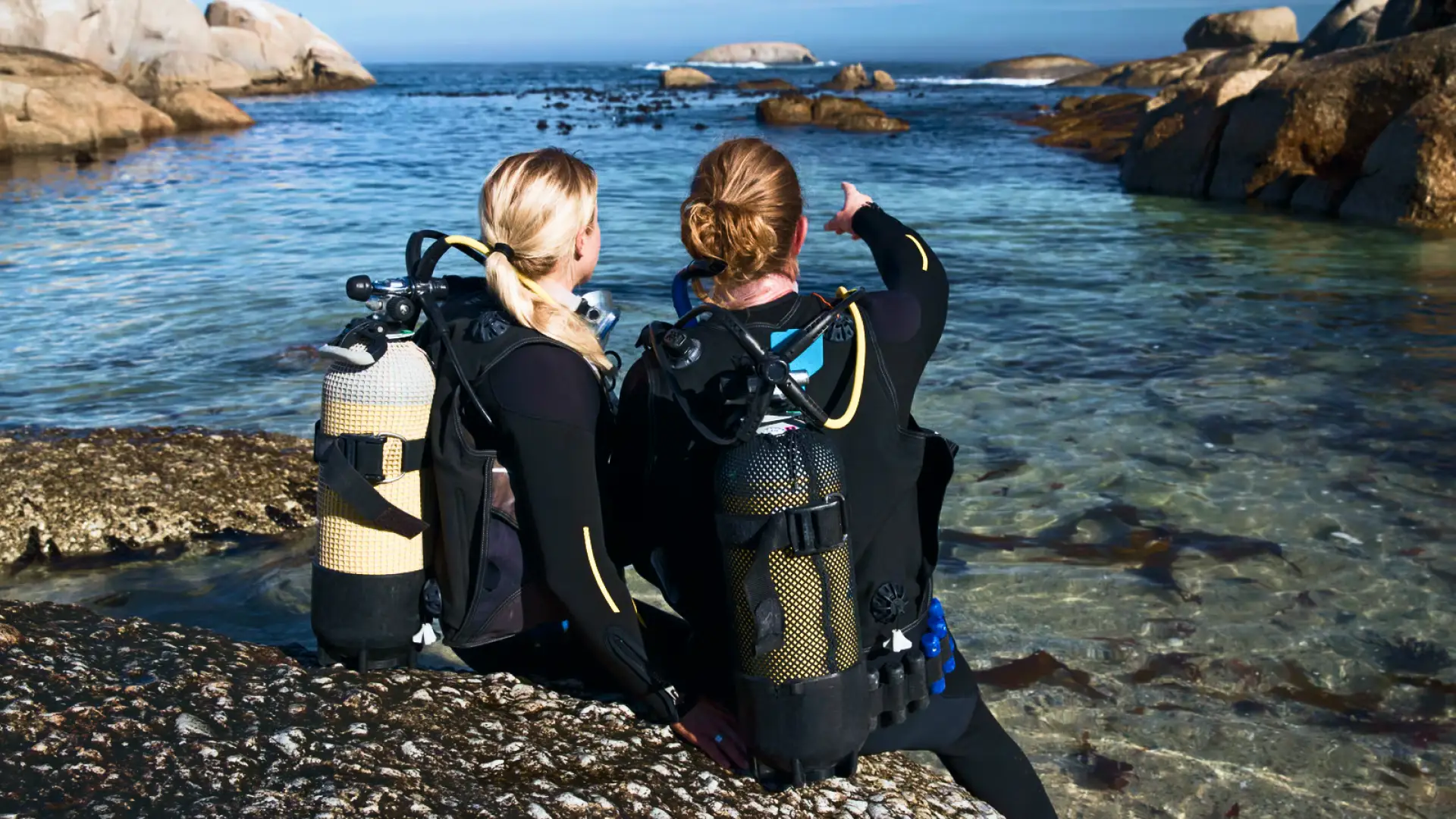
Safety is always paramount in the ocean in scuba diving beginner tips. Never skipping a buddy check before a dive! Buddy checks help divers make sure their equipment is working properly before entering the water. Even experienced divers do this before every dive because small mistakes can happen to anyone. A quick safety check can help divers feel more prepared and confident underwater.
Before diving, buddies usually check air tanks, regulators, BCD function, weights, masks and fins. Many beginners feel excited before ocean dives, especially in tropical destinations, so slowing down is important. Good dive buddies help each other stay calm and safe during the dive. Building safe habits early makes scuba diving more enjoyable and less stressful.
Know Your Limits Underwater
Another important part of learning scuba diving beginner tips is knowing your comfort level and taking things slowly. Some dive sites have strong currents, colder water or deeper conditions that may feel difficult for beginners. Building experience step by step helps diving feel safer and more enjoyable. With experienced local guides, diving Nusa Penida can become an exciting and unforgettable adventure for new divers.
- Be honest about your experience level
- Avoid dives that feel too advanced
- Rest when feeling tired
- Dive at a comfortable pace
Do Not Rush Your First Dive Trip
One of the underrated scuba diving beginner tips is to start slowly after getting certified and choose calm, beginner-friendly dive destinations. Nusa Penida is a great option because it offers warm water, beautiful reefs and relaxing island scenery. New divers should also rest between dives, stay hydrated and avoid scheduling too many dives in one day. Staying at a peaceful Nusa Penida resort can make the entire dive trip feel more comfortable, balanced and enjoyable.
Why Deep Roots Is a Good Place to Start Diving
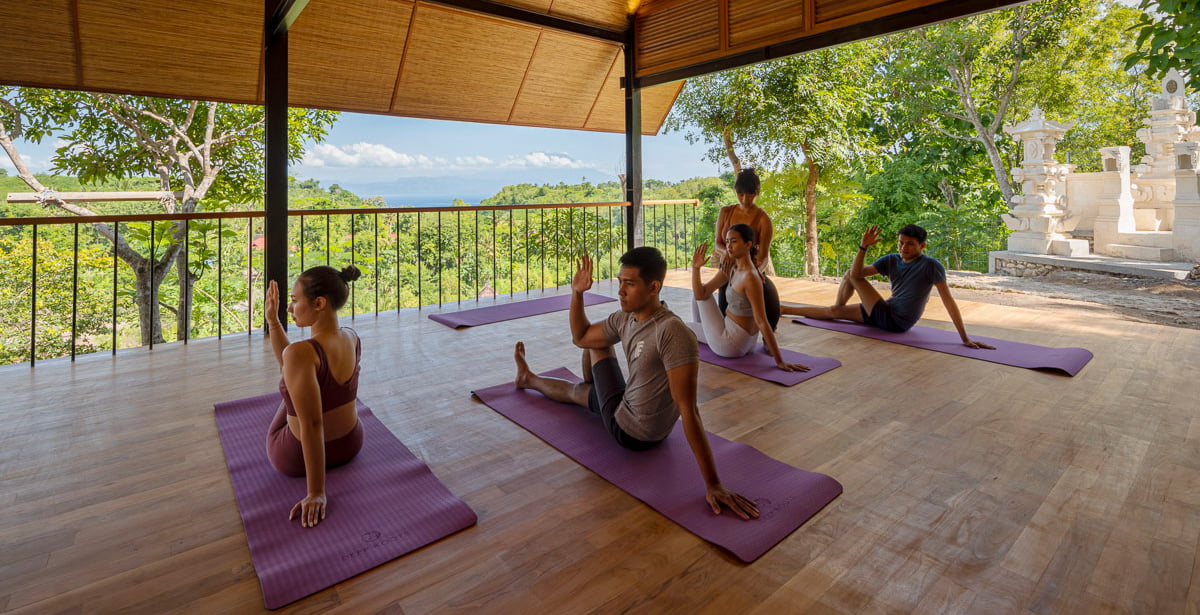
Learning the scuba diving beginner tips feels much easier when the environment is calm, supportive and relaxing. Many beginners enjoy starting their journey at Deep Roots Dive & Yoga Resort because it combines comfortable stays with beautiful island surroundings. After diving, guests can relax, explore the island and enjoy peaceful evenings in Nusa Penida. A welcoming atmosphere can help new divers feel more confident underwater.
Whether you are planning your first diving in Nusa Penida trip or looking for a relaxing island escape, Deep Roots Dive & Yoga Resort offers the perfect balance of adventure and comfort. We love hosting new divers and giving you a supportive environment both on the boat and around the pool. There’s really no better place to learn the ropes than right here. Pick your dates, stay with us, and let's get you in the water.